Commercial Metal Roofing: Durable and Cost-Effective Solutions for Business Owners
Jump to a section:
When your commercial building needs a new roof, the material you select affects everything from operating costs to property value. Metal roofing for businesses has become a preferred choice among property owners who want long-term protection without constant maintenance headaches. We’ve helped countless business owners understand their options, and commercial metal roofing consistently stands out as a smart investment for those thinking decades ahead.
What Is Commercial Metal Roofing and Why Should Business Owners Consider It?
Commercial metal roofing refers to roof systems designed specifically for business, industrial, and retail structures using steel, aluminum, zinc, or copper panels. These systems differ from residential installations in scale, attachment methods, and structural requirements. A business metal roof installation typically covers larger square footage, requires specialized equipment, and must meet stricter building codes than homes.
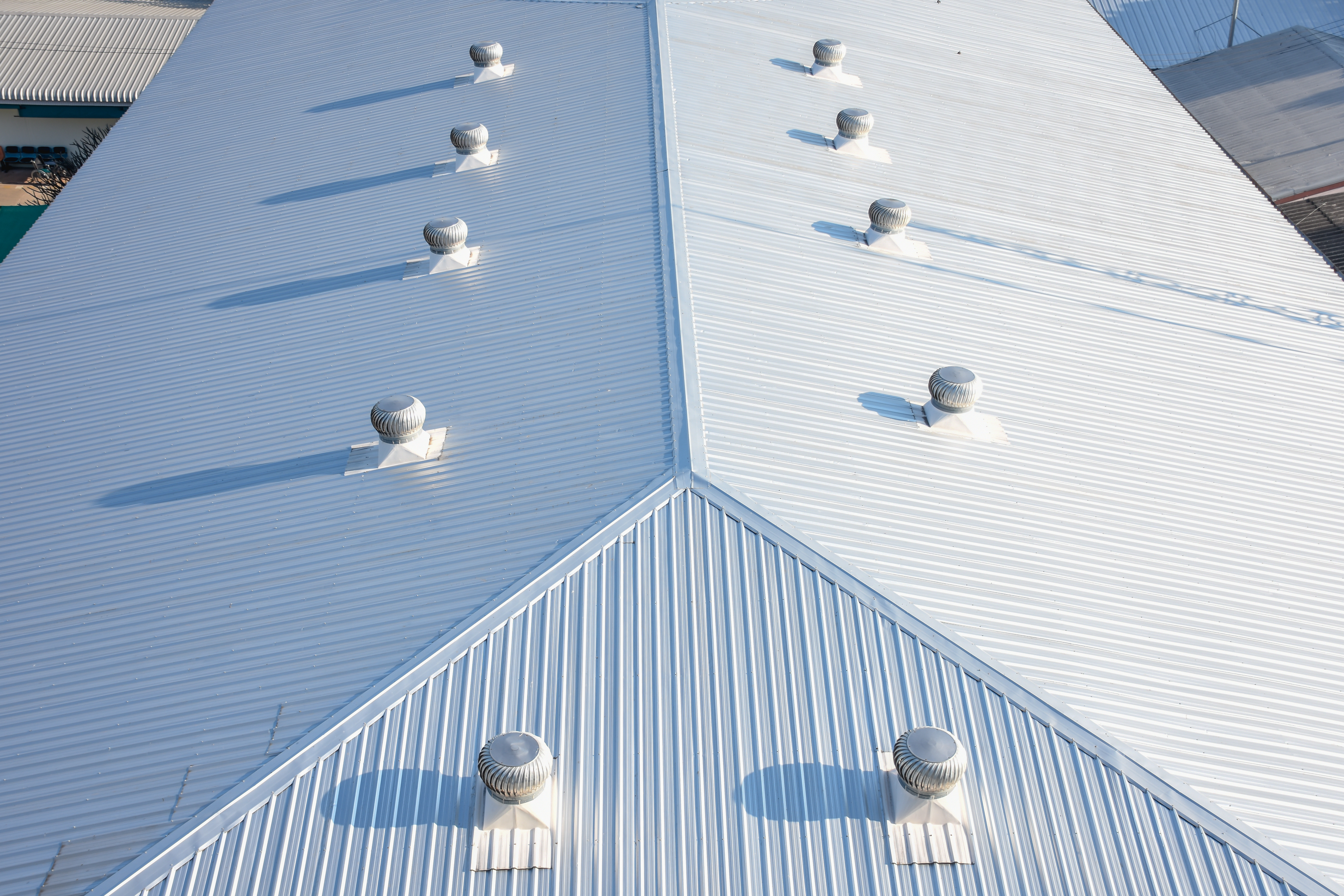
Metal roofs protect commercial buildings through interlocking panels that create weather-tight barriers against rain, snow, wind, and temperature extremes. Unlike membrane systems that rely on adhesives or heat-welded seams, metal panels connect mechanically, which means fewer failure points over time.
Key characteristics that define commercial metal roofing systems:
- Concealed fastener design: Fasteners attach beneath overlapping panels, keeping them protected from weather exposure and reducing leak potential.
- Interlocking seam technology: Panels connect through raised seams that snap or mechanically lock together, creating continuous protection across the roof surface.
- Reflective coatings: Factory-applied finishes reflect solar radiation, keeping interior temperatures lower during warm months.
- Lightweight construction: Metal panels weigh between 50 and 150 pounds per square compared to 900 pounds per square for concrete tiles, reducing structural load requirements.
“We tell our commercial clients that metal roofing represents a shift from reactive maintenance to proactive building management. When you install a metal roof system, you’re choosing predictable performance over unpredictable repair bills.” – The Team at Skybird Roofing
How Long Does Commercial Metal Roofing Last Compared to Other Materials?
Lifespan matters more for commercial properties than residential ones because roof replacement disrupts business operations, affects tenants, and requires significant capital expenditure. Metal roof commercial buildings enjoy service lives that far exceed traditional alternatives, making them attractive for owners who want to avoid repeated replacement cycles.
A properly installed commercial metal roof can last 40 to 70 years with routine maintenance. Some aluminum and copper systems exceed 80 years when correctly specified for their environment. This longevity comes from the inherent properties of metal: it resists cracking, doesn’t absorb water, and maintains structural integrity through temperature cycling.
Lifespan comparison across commercial roofing materials:
| Roofing Material | Expected Lifespan | Typical Maintenance Frequency |
|---|---|---|
| Standing Seam Metal | 40 to 70 years | Annual inspection |
| TPO Membrane | 15 to 25 years | Bi-annual inspection plus seam checks |
| EPDM Rubber | 15 to 25 years | Bi-annual inspection plus seam repairs |
| Built-Up Roofing (BUR) | 15 to 30 years | Annual coating and patch work |
| Modified Bitumen | 12 to 20 years | Coating every 3 years |
| Asphalt Shingles | 15 to 20 years | Annual inspection plus repairs |
The extended lifespan of metal directly affects total cost of ownership. A building owner who installs a membrane roof at age 40 will likely replace it twice before retirement. That same owner could install one metal roof and never face commercial metal roof replacement during their ownership period. This single-installation advantage attracts property investors who calculate returns over 20 to 30 year horizons.
What Are the Best Commercial Metal Roofing Systems Available?
Selecting the right metal roofing system depends on building design, slope requirements, budget constraints, and aesthetic preferences. Each system type offers distinct advantages, and understanding these differences helps you make informed choices during roof replacement planning.
Standing seam commercial roofing represents the most widely specified metal system for commercial applications. These panels feature vertical ribs with flat sections between them, creating clean lines that complement contemporary architecture. The raised seams hide fasteners from weather exposure, which eliminates the most common failure point in metal roofing: exposed screw penetrations.
Standing seam panels attach through clips that grip the vertical legs and secure to the roof deck. This clip system allows panels to expand and contract with temperature changes without buckling or pulling away from fasteners. Panel widths typically range from 12 to 18 inches, with seam heights between 1.5 and 2 inches.
Types of standing seam attachment and engagement methods:
- Snap-lock panels: Male and female legs snap together during installation without requiring special tools. Best suited for solid deck applications with slopes above 3:12.
- Mechanically seamed panels: A powered seaming machine folds panel legs together after installation, creating the strongest connection available. Required for low-slope applications and projects with strict weathertightness requirements.
- Nail strip panels: Panels attach directly through slotted flanges without clips. More economical but limited to smaller structures and residential applications.
Industrial metal roofing applications often use corrugated or R-panel systems with exposed fasteners. These systems cost less than standing seam and install faster, making them appropriate for warehouses, agricultural buildings, and structures where appearance matters less than function. Exposed fastener panels require maintenance approximately every five years to check and replace any loosened or corroded screws.
“The system you choose should match your building’s purpose and your maintenance philosophy. Standing seam costs more upfront but pays you back in reduced service calls. Exposed fastener systems work great when initial budget drives the decision and you have maintenance staff available for periodic inspections.” – The Team at Skybird Roofing
What Materials Make Up Commercial Metal Roof Systems?
The metal substrate you select influences durability, corrosion resistance, appearance, and price. Four primary metals dominate commercial roofing applications, each with characteristics that suit different environments and building types.
Common metal roofing substrates and their properties:
| Metal Type | Cost Per Square Foot | Best Applications | Key Advantages |
|---|---|---|---|
| Galvalume Steel | $7 to $15 | Most commercial buildings | Strength, affordability, coating options |
| Aluminum | $4 to $11 | Coastal areas, corrosive environments | Corrosion resistance, lightweight |
| Copper | $15 to $30+ | Architectural, historic buildings | Aesthetics, patina development, longevity |
| Zinc | $12 to $20 | Premium commercial, healthcare | Self-healing properties, long lifespan |
Galvalume steel accounts for most commercial metal roofing installations. This material combines steel’s strength with a zinc-aluminum coating that protects against corrosion. Galvalume accepts factory-applied PVDF finishes (often called Kynar or Hylar coatings) that resist fading, chalking, and UV degradation for 30 years or longer.
Aluminum suits buildings near saltwater or in industrial areas where airborne chemicals attack other metals. While aluminum costs slightly less than steel, its thinner gauges make it more susceptible to denting from hail or foot traffic. Buildings that require frequent rooftop access may need thicker aluminum panels or alternative materials.
Both copper and zinc serve specialty applications where appearance justifies premium pricing. Copper develops a distinctive green patina over decades, while zinc self-heals minor scratches through a natural oxidation process that protects exposed areas.
How Much Does Commercial Metal Roofing Cost?
Understanding commercial metal roofing cost and pricing requires looking beyond the per-square-foot material price. Total project cost includes materials, labor, accessories, and any structural modifications your building needs to support the new system.
Material costs for commercial metal roofing typically range from $7 to $15 per square foot for standing seam systems using galvalume steel. Premium materials like copper or zinc push costs above $20 per square foot. These figures represent materials only and don’t include installation labor.
Labor costs for commercial metal roof installation vary significantly based on project complexity, building height, roof slope, and regional labor markets. Expect labor to add $3 to $12 per square foot, bringing total installed costs for standing seam systems to $10 to $27 per square foot. Large warehouse projects with simple geometry fall toward the lower end, while complex buildings with multiple penetrations, valleys, and architectural details cost more.
Factors that influence commercial metal roof project costs:
- Roof size and complexity: Larger continuous roof areas cost less per square foot than smaller roofs with many breaks, angles, and penetrations requiring custom flashings.
- Existing roof condition: Recover systems that install over existing roofing cost less than tear-off projects that require disposal fees and additional labor.
- Building height and access: Multi-story buildings need more safety equipment, staging, and material handling time than single-story structures.
- Insulation requirements: Adding rigid foam insulation beneath metal panels improves energy performance but increases material and labor costs.
- Local building codes: Wind uplift ratings, fire classifications, and energy code compliance may require specific panel gauges, attachment patterns, or accessories.
When comparing quotes, ask whether prices include trim, flashings, fasteners, sealants, and underlayment. These accessories can add 15 to 25 percent to material costs but sometimes get quoted separately to make base prices appear lower.
Commercial Metal Roof vs Flat Roof: Which Performs Better for Business Properties?
Many commercial buildings feature low-slope or flat roof designs that historically used membrane systems like TPO, EPDM, or built-up roofing. Property owners replacing these roofs now have options: install another membrane system or switch to low-slope metal panels designed for commercial applications.
This commercial metal roof vs flat roof comparison helps clarify which system better serves your building’s needs.
Performance comparison between metal and membrane flat roof systems:
| Performance Factor | Metal Roofing | Membrane (TPO/EPDM) |
|---|---|---|
| Lifespan | 40 to 70 years | 15 to 25 years |
| Seam Integrity | Mechanical interlock, no adhesives | Heat-welded or adhesive bonds |
| Puncture Resistance | High, resists foot traffic | Moderate, vulnerable to sharp objects |
| Weather Resistance | Handles extreme conditions | Can crack in extreme temperatures |
| Initial Cost | Higher | Lower |
| Lifecycle Cost | Lower (one installation) | Higher (2 to 3 replacements) |
| Equipment Support | May require planning | Easier HVAC mounting |
Membrane roofs offer advantages when budget constraints drive decisions or when rooftop HVAC equipment, solar arrays, or other installations require easy modification access. Their seams, whether heat-welded or adhesive-bonded, can fail under UV exposure or temperature extremes, leading to leaks that damage interior spaces and inventory.
Metal roofing performs better when building owners prioritize long-term value, weather protection, and reduced maintenance burden. Mechanically seamed metal panels installed on low-slope commercial buildings can handle standing water during drainage delays without the seam failures that plague membrane systems. Metal also reflects solar radiation more effectively, reducing cooling costs by 10 to 30 percent in warm climates.
“When we conduct a roof inspection on a commercial building with membrane roofing, we often find seam separation, ponding damage, and punctures from maintenance traffic. Metal systems avoid these common failure modes entirely. For owners tired of patching their flat roof every few years, switching to metal ends that cycle.” – The Team at Skybird Roofing
What Are the Benefits of Metal Roofing for Commercial Buildings?
The benefits of metal roofing for commercial buildings extend beyond simple weather protection. Business owners gain advantages in energy performance, insurance costs, property value, and environmental responsibility.
Energy efficiency: Reflective metal roofing with cool roof coatings can reduce cooling costs by 10 to 30 percent. Metal panels reflect solar radiation rather than absorbing it, keeping roof surface temperatures significantly lower than dark membrane or asphalt roofs. This reduced heat transfer means air conditioning systems work less hard, lowering utility bills and extending HVAC equipment life.
Cool metal roofs qualify for Energy Star certification and can contribute to LEED green building points. Buildings seeking these certifications gain marketing advantages with environmentally conscious tenants and may qualify for tax incentives or utility rebates.
Fire resistance: Metal roofing earns Class A fire ratings, the highest classification available. This non-combustible material won’t ignite from airborne embers during wildfires or spread flames across the roof surface. Insurance companies recognize this protection, often offering premium discounts for buildings with Class A rated metal roofs.
Weather performance: Commercial metal roofing systems rated Class 4 for impact resistance can withstand large hail without damage. Many metal panels are tested to resist wind speeds exceeding 100 miles per hour when properly installed. This performance matters for businesses in storm-prone regions where roof damage can interrupt operations and destroy inventory.
Additional benefits that support business operations:
- Reduced maintenance requirements: Annual inspections and occasional cleaning keep metal roofs functioning properly, compared to membrane systems that need frequent seam repairs and coating applications.
- Recyclability: Metal roofing contains 25 to 95 percent recycled content depending on the material and can be fully recycled at the end of its service life, supporting corporate sustainability goals.
- Increased property value: Studies show metal roofs can increase commercial property sale prices by approximately 6 percent while making buildings more attractive to quality tenants.
- Insurance advantages: Many insurers offer discounts ranging from 5 to 35 percent for buildings with metal roofs due to their fire resistance and durability.
What Should You Look for in a Commercial Metal Roof Contractor?
The quality of your commercial metal roof depends heavily on the contractor who installs it. Metal roofing requires specialized knowledge, equipment, and techniques that differ significantly from membrane or shingle installation. Selecting the right commercial metal roof contractor protects your investment and ensures the system performs as designed.
A qualified metal roofing contractor should demonstrate experience with the specific panel system specified for your project. Standing seam installation differs from corrugated panel work, and mechanically seamed systems require powered equipment that snap-lock panels don’t need. Ask potential contractors about their training certifications from panel manufacturers and request references from similar commercial projects.
Questions to ask when evaluating commercial metal roofing contractors:
- Manufacturer certifications: Has the contractor completed training programs from the specific panel manufacturer being installed? Certified installers often provide access to extended weathertightness warranties.
- Commercial project portfolio: Can they show completed projects similar in size and complexity to yours? Request site visits to inspect their past work.
- Insurance and bonding: Do they carry adequate liability insurance and workers’ compensation coverage? Ask for certificates and verify coverage levels.
- Warranty offerings: What labor warranty does the contractor provide, and what manufacturer warranties are available through their installation?
- Safety programs: How do they manage fall protection, equipment handling, and site safety on commercial projects?
Avoid contractors who primarily install residential roofing and occasionally take commercial jobs. The scale, safety requirements, and technical demands of commercial projects require dedicated commercial expertise. Similarly, be cautious of unusually low bids that might indicate corner-cutting on materials, labor, or safety.
How Do You Maintain a Commercial Metal Roof?
While metal roofing requires less maintenance than membrane systems, proper care extends service life and catches minor issues before they become expensive problems. A scheduled maintenance program keeps your commercial metal roof performing at its best.
Annual inspections should examine the entire roof surface, all penetrations, flashings, and drainage components. Professional inspectors look for loose fasteners, sealant degradation, panel damage from debris or foot traffic, and any signs of corrosion or coating failure. Roof repair of minor issues during these inspections prevents water infiltration that causes major damage.
Recommended maintenance schedule for commercial metal roofs:
- Quarterly debris removal: Clear leaves, branches, and accumulated debris from roof surfaces and drainage pathways. Organic debris holds moisture against metal surfaces and can accelerate corrosion.
- Bi-annual gutter cleaning: Metal roofs shed water efficiently, but clogged gutters cause backup and overflow that can damage fascia, soffits, and foundation areas.
- Annual professional inspection: Trained inspectors identify developing issues that building staff might miss, including early-stage fastener loosening, sealant breakdown, and coating wear.
- Post-storm inspection: After severe weather events, check for hail dents, wind-lifted panels, and damage from airborne debris. Document findings for insurance purposes.
Keep foot traffic on metal roofs to a minimum. When rooftop access is necessary for HVAC maintenance or other work, use walk pads to distribute weight and protect panel finishes from scuffing. Mark designated walking paths so service technicians know where they can safely travel.
“The commercial buildings we see lasting 50 or 60 years with their original metal roofs share one thing in common: their owners treated maintenance as an investment rather than an expense. A few hundred dollars annually on inspections and cleaning saves tens of thousands in premature replacement costs.” – The Team at Skybird Roofing
Conclusion
Commercial metal roofing delivers the combination of durability, energy savings, and low maintenance that business owners need from their building envelope. The 40 to 70 year lifespan means many owners will install just one roof during their ownership period, avoiding the disruption and expense of multiple replacements that membrane systems require. When you factor in reduced cooling costs, potential insurance savings, and increased property value, the higher initial investment in metal roofing pays substantial returns over time.
At Skybird Roofing, we help commercial property owners navigate the decisions involved in selecting, specifying, and installing metal roof systems. Our team understands the technical requirements that separate successful commercial metal roofing projects from problematic ones. If you need help with commercial roofing, contact Skybird Roofing to discuss your project requirements and discover which metal roofing solution fits your building’s needs.