Commercial Gutter Installation: Protecting Your Business Property With Professional Drainage Systems
Jump to a section:
Water damage costs commercial property owners billions of dollars each year, and a failing gutter system is often the root cause. When rainwater has nowhere to go, it pools around foundations, seeps into walls, and creates expensive problems that could have been prevented with proper drainage. At Skybird Roofing, we help business owners protect their investments through professional gutter installation designed specifically for commercial applications.
What Is Commercial Gutter Installation and Why Does It Matter?
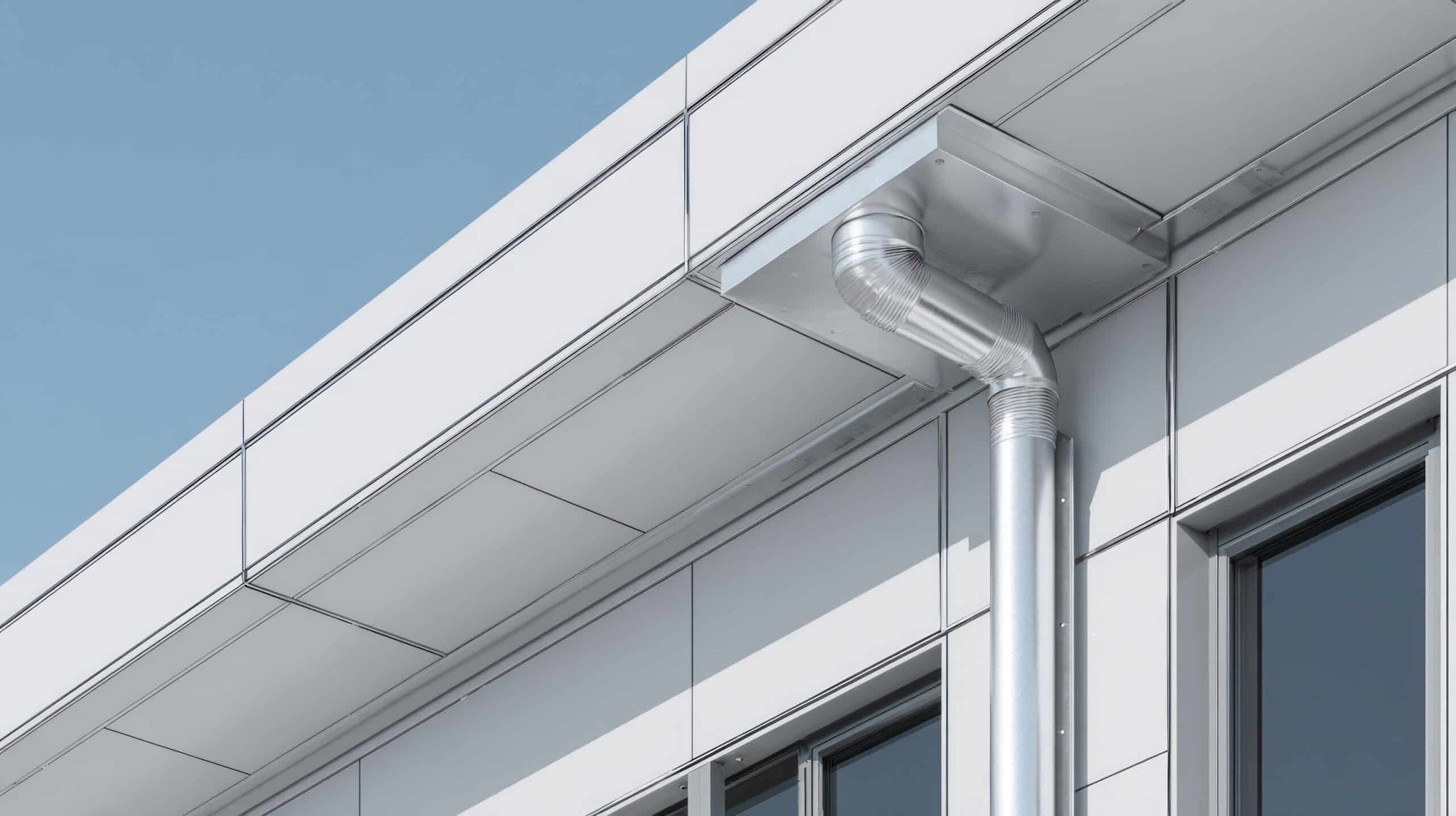
Commercial gutter installation involves designing, fabricating, and mounting drainage systems built to handle the unique demands of business properties. Unlike residential gutters, commercial systems must manage larger roof surface areas, heavier water volumes, and stricter building code requirements. These systems channel rainwater away from your building’s foundation, walls, and landscaping to prevent erosion, flooding, and structural deterioration.
The definition is straightforward: a commercial gutter system consists of troughs mounted along roof edges, connected to downspouts that direct water to designated drainage points away from the building. What makes these systems different from home gutters is their capacity, durability, and compliance with local stormwater regulations.
“A properly sized commercial gutter system should handle peak rainfall without overflow, even during the heaviest storms your region experiences. We’ve seen too many business owners learn this lesson the hard way after installing undersized residential-grade gutters on commercial buildings.” — The Team at Skybird Roofing
Key reasons commercial properties need professional gutter systems:
- Foundation Protection: Water pooling around your building’s base can cause cracks, settling, and basement flooding that threaten structural integrity over time.
- Facade Preservation: Overflowing gutters allow water to cascade down exterior walls, causing staining, paint damage, and eventual material deterioration.
- Liability Reduction: Standing water near entrances creates slip hazards for employees and customers, potentially exposing your business to injury claims.
- Landscaping Maintenance: Uncontrolled roof runoff erodes mulch beds, damages plantings, and washes away soil near the building perimeter.
Which Commercial Gutter Styles Work Best for Business Buildings?
Commercial gutters come in three primary styles, each offering distinct advantages depending on your building’s architecture, water management needs, and aesthetic goals. Choosing the right profile affects both performance and curb appeal.
Box Gutters
Box gutters feature a rectangular, trough-like shape that provides the highest water capacity of any commercial gutter style. Their design allows them to handle significantly more runoff than similarly sized alternatives, making them ideal for warehouses, industrial facilities, and large retail buildings. These gutters can be fabricated in widths ranging from 6 inches to 12 inches, accommodating even the most demanding drainage requirements.
The main advantage of box gutters is their ability to manage heavy rainfall volumes without overflow. They integrate well with flat or low-slope roofing systems commonly found on commercial structures. The rectangular shape also makes them easier to clean and maintain since debris tends to accumulate in predictable patterns.
K-Style Gutters
K-style gutters remain the most popular choice for commercial applications, accounting for roughly 80% of installations across the United States. Their profile resembles decorative crown molding when viewed from the ground, adding architectural interest while providing reliable water management. The curved interior allows water to flow smoothly toward downspouts with minimal resistance.
For multifamily housing, office buildings, and retail centers where appearance matters, K-style gutters offer a balance between function and aesthetics. They hold more water than half-round gutters of the same width and work well with both traditional and contemporary building designs.
Half-Round Gutters
Half-round gutters feature a semi-circular trough design that provides excellent water flow characteristics. Their smooth, curved interior minimizes debris accumulation and allows water to drain quickly. While they have lower capacity than box or K-style options, they excel in applications where traditional or historic aesthetics are priorities.
These gutters are commonly specified for banks, hotels, and upscale commercial properties seeking a classic architectural appearance. When fabricated from copper, half-round gutters develop a distinctive patina that appeals to property owners wanting a distinguished look.
Comparison of commercial gutter styles by application:
| Gutter Style | Best Applications | Water Capacity | Aesthetic Appeal |
|---|---|---|---|
| Box Gutters | Warehouses, industrial facilities, large retail | Highest | Functional, minimal |
| K-Style Gutters | Offices, multifamily, retail centers | High | Decorative, versatile |
| Half-Round Gutters | Historic buildings, hotels, banks | Moderate | Classic, elegant |
What Materials Should You Choose for Commercial Gutter Systems?
Material selection directly impacts how long your gutters will last, how much maintenance they’ll require, and how well they’ll withstand your local climate. Commercial applications demand higher durability standards than residential installations, so material quality matters significantly.
Common commercial gutter materials and their characteristics:
- Galvanized Steel (24-gauge): Offers exceptional strength and durability for heavy-duty commercial applications. Steel gutters handle extreme weather conditions and support the weight of accumulated snow and ice without bending. The heavier gauge requires proper mounting to prevent pulling away from the building over time.
- Heavy-Gauge Aluminum: Provides excellent corrosion resistance at a lower weight than steel. Aluminum won’t rust and can be finished in various colors to match building exteriors. High-quality commercial aluminum gutters can last 40 years or more with proper care.
- Copper: Represents the premium choice for commercial gutters, offering the longest lifespan (50+ years) and distinctive aesthetic appeal. Copper develops a green patina over time that many property owners find attractive. While the initial investment is substantial, copper’s longevity often makes it cost-effective over the building’s lifetime.
- Stainless Steel: Combines the strength of galvanized steel with superior corrosion resistance. Stainless gutters perform well in coastal environments where salt air accelerates deterioration of other metals.
“We always recommend matching material selection to your building’s expected lifespan and local environmental conditions. A warehouse in a mild climate might do perfectly well with aluminum, while a coastal hotel property benefits from the corrosion resistance of copper or stainless steel.” — The Team at Skybird Roofing
Vinyl gutters, while common in residential applications, are rarely appropriate for commercial buildings. Their shorter lifespan, susceptibility to temperature extremes, and limited size options make them unsuitable for most business properties.
Material lifespan and cost comparison:
| Material | Expected Lifespan | Cost Per Linear Foot | Maintenance Level |
|---|---|---|---|
| Galvanized Steel | 20-30 years | $8-$20 | Moderate |
| Heavy-Gauge Aluminum | 30-40 years | $6-$15 | Low |
| Copper | 50+ years | $25-$40 | Low |
| Stainless Steel | 40-50 years | $15-$30 | Low |
How Much Does Commercial Gutter Installation Cost?
Commercial gutter installation pricing varies widely based on building size, material selection, accessibility, and regional labor rates. Unlike residential projects that might cost a few thousand dollars, commercial installations often represent substantial investments ranging from several thousand to tens of thousands of dollars.
The average cost for commercial gutter installation ranges from $5 to $15 per linear foot for standard aluminum systems, with prices increasing significantly for premium materials like copper. A mid-sized commercial building requiring 500 linear feet of guttering might expect to pay between $2,500 and $7,500 for aluminum installation, while the same building fitted with copper gutters could run $12,500 to $20,000 or more.
Factors that influence commercial gutter installation pricing:
- Building Height: Multi-story structures require specialized equipment, safety measures, and additional labor time. Expect costs to increase by 15-25% for each story above ground level.
- Roof Complexity: Buildings with numerous angles, dormers, or rooftop equipment require more custom fabrication and careful installation work, adding to overall project costs.
- Downspout Configuration: The number and placement of downspouts affects material costs and installation time. Larger buildings need more downspouts to handle water volume adequately.
- Local Building Codes: Some jurisdictions require specific materials, sizes, or installation methods that may increase costs beyond basic installation estimates.
- Existing Gutter Removal: If replacing an old system, disposal and removal fees typically add $1 to $3 per linear foot to the project total.
Estimated commercial gutter installation costs by building type:
| Building Type | Typical Linear Footage | Aluminum Cost Range | Steel Cost Range |
|---|---|---|---|
| Small Retail (5,000 sq ft) | 200-300 feet | $1,200-$4,500 | $1,600-$6,000 |
| Office Building (15,000 sq ft) | 400-600 feet | $2,400-$9,000 | $3,200-$12,000 |
| Warehouse (30,000 sq ft) | 600-1,000 feet | $3,600-$15,000 | $4,800-$20,000 |
| Industrial Facility (50,000+ sq ft) | 1,000+ feet | $6,000-$25,000+ | $8,000-$30,000+ |
What Size Gutters Does Your Commercial Building Require?
Gutter sizing is one of the most critical decisions in commercial drainage design. Undersized gutters overflow during heavy rain, defeating their purpose entirely. Oversized gutters add unnecessary expense without providing additional benefit. The right size depends on your roof area, roof pitch, and local rainfall intensity.
Commercial gutters typically start at 6 inches in width, compared to the 4- or 5-inch gutters common on homes. Larger buildings may need 7-, 8-, or even 12-inch gutters to handle runoff volumes adequately. Downspout sizing must match gutter capacity—6-inch gutters pair with 3×4-inch downspouts, while larger gutters may need 4×5-inch or custom-sized downspouts.
“We calculate gutter sizing based on roof square footage, pitch, and historical rainfall data for your specific location. A 10,000 square foot flat roof in a region averaging 4 inches of rainfall per hour needs dramatically different gutters than the same roof in a drier climate.” — The Team at Skybird Roofing
Professional contractors use a formula that accounts for roof area (in square feet), roof pitch factor, and maximum rainfall intensity (in inches per hour) to determine the minimum gutter and downspout sizes. This calculation prevents the costly mistakes that occur when gutters are selected based on appearance or budget alone.
Recommended gutter sizes based on drainage area:
| Roof Drainage Area | Recommended Gutter Width | Recommended Downspout Size |
|---|---|---|
| Up to 5,400 sq ft | 6 inches | 3×4 inches |
| 5,400-8,000 sq ft | 7 inches | 3×4 inches |
| 8,000-12,000 sq ft | 8 inches | 4×5 inches |
| 12,000+ sq ft | 10-12 inches | 4×5 inches or larger |
What Are the Warning Signs Your Business Needs New Gutters?
Recognizing gutter problems early prevents minor issues from becoming major expenses. Water damage to commercial buildings can cost tens of thousands of dollars in repairs, plus additional losses from business interruption and increased insurance premiums.
Indicators that your commercial gutters need attention or replacement:
- Visible Sagging or Separation: Gutters pulling away from the fascia or sagging between hangers indicate fastener failure, structural problems, or gutters too small for the water volume they’re handling.
- Standing Water Inside Gutters: Water should flow toward downspouts, not pool in sections. Standing water suggests improper slope, blockages, or structural issues preventing drainage.
- Rust, Cracks, or Holes: Any breach in gutter integrity allows water to escape where it shouldn’t, potentially damaging walls, foundations, or landscaping below.
- Paint Peeling Near Roofline: Water overflowing from clogged or undersized gutters causes paint failure on fascia boards and exterior walls near the roofline.
- Foundation Staining or Erosion: Water marks on foundation walls or erosion channels in landscaping near the building indicate gutter failure or inadequate downspout extensions.
- Basement Moisture or Flooding: Water entering basement areas often traces back to failing gutters that allow water to saturate soil near the foundation.
- Mold or Mildew on Exterior Walls: Persistent moisture from gutter overflow creates conditions where mold and mildew thrive on building surfaces.
Regular roof inspection should include gutter assessment. Catching problems during routine maintenance is far less expensive than addressing the water damage that results from neglected gutters.
Why Should You Hire a Professional Commercial Gutter Contractor?
Commercial gutter installation involves more complexity than most property owners realize. From sizing calculations to code compliance to safe installation at height, professional contractors bring expertise that protects your investment and prevents costly mistakes.
Benefits of working with experienced commercial gutter contractors:
- Accurate Sizing Calculations: Professionals determine the correct gutter and downspout sizes based on engineering formulas, not guesswork. This prevents overflow problems and wasted money on oversized systems.
- Code Compliance: Commercial buildings must meet specific drainage requirements that vary by jurisdiction. Professional contractors know local regulations and design systems that pass inspection.
- Custom Fabrication: Many commercial gutters are fabricated on-site from continuous coil stock to create long runs without joints. This technique reduces leak potential and requires specialized equipment most property owners don’t have access to.
- Proper Installation Techniques: Correct gutter slope, secure fastening, and weatherproof connections require training and experience. Improper installation leads to premature failure and warranty issues.
- Safety Compliance: Working at height on commercial buildings requires proper safety equipment, training, and often permits. Professional contractors maintain insurance coverage that protects property owners from liability.
- Warranty Protection: Manufacturer warranties typically require professional installation. Self-installation or hiring unqualified workers may void coverage on materials.
“We’ve repaired countless commercial gutter systems that were installed by handymen or residential contractors unfamiliar with commercial requirements. The money saved on initial installation is always spent several times over on repairs, water damage remediation, and premature replacement.” — The Team at Skybird Roofing
When selecting a commercial gutter contractor, verify their experience with buildings similar to yours, check references, confirm insurance coverage, and ask about warranty terms. A reputable contractor will gladly provide this information.
How Do Gutters Integrate With Your Overall Roofing System?
Gutters work as part of a complete water management system that includes your roof, flashing, and ground-level drainage. When any component fails, the entire system’s effectiveness suffers. Understanding this relationship helps property owners make better decisions about maintenance and upgrades.
Your commercial roofing system directs water toward gutters through its slope and flashing details. If roofing materials are damaged or improperly installed, water may bypass gutters entirely, causing damage regardless of how well your gutters function. Similarly, gutters that work perfectly become useless if downspouts discharge water too close to the building foundation.
Metal roofing systems pair particularly well with commercial gutters because they shed water quickly and predictably. The smooth surface of metal panels prevents the gradual water release that can overwhelm gutters during heavy storms on textured roofing materials.
When planning gutter installation or replacement, consider the condition of related systems. Addressing roof repair needs at the same time as gutter work often proves more cost-effective than handling projects separately. Some property owners use gutter replacement as an opportunity to evaluate whether roof replacement makes sense, especially on older buildings where both systems are approaching end of life simultaneously.
What Maintenance Do Commercial Gutters Require?
Proper maintenance extends gutter lifespan and prevents the small problems that become expensive repairs. Commercial gutters should be inspected and cleaned at least twice annually, with additional attention after severe storms.
Commercial gutter maintenance tasks and recommended frequency:
- Debris Removal (Twice Yearly): Clear leaves, twigs, and accumulated sediment from gutter channels. Buildings near trees may need quarterly cleaning.
- Downspout Flushing (Twice Yearly): Run water through downspouts to confirm clear flow and identify developing blockages before they become complete obstructions.
- Fastener Inspection (Annually): Check hangers, brackets, and screws for looseness or corrosion. Tighten or replace as needed to maintain secure mounting.
- Slope Verification (Annually): Confirm gutters maintain proper pitch toward downspouts. Settling or fastener failure can create low spots where water pools.
- Joint and Seam Inspection (Annually): Examine connections for signs of separation or leaking. Reseal joints showing deterioration before leaks develop.
- Drainage Area Assessment (Annually): Verify downspout extensions and ground-level drainage continue directing water away from the building effectively.
Many commercial property owners include gutter maintenance in their overall building maintenance contracts. This approach helps with consistent scheduling and creates accountability for keeping drainage systems functional.
Protecting Your Commercial Property Investment
A properly designed and installed commercial gutter system protects your building from water damage that costs far more than the gutters themselves. From foundation preservation to facade maintenance to liability reduction, professional drainage systems deliver value that extends well beyond their installation cost.
At Skybird Roofing, we specialize in commercial gutter solutions tailored to your building’s specific requirements. Our team handles everything from initial assessment and sizing calculations through installation and ongoing maintenance support. We understand that your commercial property represents a significant investment, and we treat every project with the attention it deserves.
Contact Skybird Roofing today if you need help with commercial roofing and drainage systems. Our experienced team will evaluate your property, recommend appropriate solutions, and provide transparent pricing so you can make informed decisions about protecting your business.