Commercial Roof Inspection: Why Regular Inspections Save Your Business Money Long-Term
Jump to a section:
A commercial roofing system represents one of the largest investments any business owner makes in their property. Yet many property managers overlook the single most effective way to protect that investment: scheduling regular roof inspections. When you catch problems early through professional assessments, you can avoid the steep costs of emergency repairs and premature replacement. In this guide, we walk you through everything you need to know about commercial roof inspections and explain why they belong at the top of your building maintenance priorities.
What Is a Commercial Roof Inspection and What Does It Cover?
A commercial roof inspection is a systematic evaluation of your building’s roofing system conducted by trained professionals. During this assessment, inspectors examine every component of your roof to identify existing damage, potential weak points, and areas that may need attention in the near future. This evaluation goes far beyond a quick visual scan from ground level.
Professional inspectors physically access the roof surface and examine it section by section. They document their findings with photographs and detailed notes, then compile everything into a commercial roof condition report that gives you a clear picture of your roof’s current state.
Key components examined during a commercial roof inspection:
- Membrane integrity: Inspectors check for punctures, tears, blistering, and areas where the membrane has pulled away from flashings or penetrations.
- Flashing condition: All metal flashings around edges, vents, HVAC units, and skylights receive close examination for rust, separation, or improper sealing.
- Drainage system function: Inspectors verify that drains, scuppers, and gutters remain clear and direct water properly away from the building.
- Penetration seals: Every pipe, vent, and equipment mount that passes through the roof gets checked for secure, watertight sealing.
- Surface wear patterns: Areas showing unusual wear from foot traffic, ponding water, or debris accumulation get flagged for monitoring or repair.
“We’ve seen too many business owners wait until water is dripping through their ceiling tiles before calling us. By then, a $500 repair has turned into a $15,000 problem. Regular inspections are the most cost-effective insurance policy you can buy for your commercial property.” — The Team at Skybird Roofing
How Often Should Commercial Roofs Be Inspected?
The frequency of your business roof inspection schedule depends on several factors, including your roof’s age, the materials used, local weather patterns, and how much equipment sits on your roof surface. Most roofing professionals and industry organizations recommend a minimum of two inspections per year for commercial properties.
Timing these inspections strategically makes them more valuable. We recommend scheduling one inspection in spring after winter weather has passed and another in fall before harsh conditions return. This approach allows you to address any winter damage before summer heat makes minor issues worse, then prepare your roof to handle snow, ice, and freeze-thaw cycles.
Recommended inspection frequency based on roof characteristics:
| Roof Characteristic | Minimum Annual Inspections | Additional Inspection Triggers |
|---|---|---|
| Roof age under 10 years | 2 per year | After major storms |
| Roof age 10-20 years | 2-3 per year | After storms, before winter |
| Roof age over 20 years | 3-4 per year | Quarterly recommended |
| Heavy rooftop equipment | 3 per year minimum | After HVAC service visits |
| Flat or low-slope design | 2-3 per year | After heavy rainfall |
Your inspection frequency should also increase after severe weather events. High winds, hail, heavy snowfall, and ice storms can all cause damage that isn’t visible from the ground. Even if your roof appears fine from the parking lot, debris impact and wind uplift can create vulnerabilities that lead to leaks weeks or months later.
What Should You Expect During a Professional Commercial Roof Assessment?
When you schedule a preventive roof inspection with a qualified contractor, the process typically follows a structured approach that covers every aspect of your roofing system. Understanding what happens during this evaluation helps you prepare appropriately and get maximum value from the service.
The inspector will first review any available documentation about your roof, including previous inspection reports, warranty information, and repair history. This background helps them understand what materials are present and identify any recurring problem areas. They may ask questions about any leaks or issues you’ve noticed inside the building.
Stages of a thorough commercial roofing assessment:
- Interior examination: Before accessing the roof, inspectors often check the building’s interior ceiling areas, particularly around known penetrations and edges, looking for water stains, mold, or structural concerns that indicate roof problems.
- Roof surface walkthrough: The inspector systematically walks the entire roof surface, examining the membrane or covering material for damage, wear, and proper installation.
- Component testing: Flashings get tested for secure attachment, sealants are probed for deterioration, and drains are checked for proper flow.
- Photographic documentation: Professional inspectors photograph all significant findings, giving you a visual record of your roof’s condition and any problem areas.
- Report preparation: You receive a written commercial roof condition report detailing all findings, including recommended repairs prioritized by urgency.
A complete inspection typically takes between one and four hours depending on your roof’s size and complexity. Larger buildings with multiple roof sections, numerous penetrations, or complicated drainage designs require more time for proper evaluation.
What Items Belong on a Commercial Roof Inspection Checklist?
Whether you’re reviewing your contractor’s inspection report or conducting a preliminary check yourself, knowing what a thorough commercial roof inspection checklist includes helps you verify that nothing gets overlooked. The best inspection protocols cover both obvious problem areas and subtle indicators of developing issues.
“A proper inspection checklist isn’t just about finding current damage. We’re looking for the early warning signs that predict future problems. Catching a small membrane wrinkle today prevents a major tear next year.” — The Team at Skybird Roofing
Components of a complete commercial roof inspection checklist:
- Roof membrane condition: Look for punctures, cuts, blisters, ridges, splits, and areas where the membrane has shrunk or pulled away from edges.
- Seam integrity: All seams between membrane sections should lie flat and remain fully adhered with no visible separation or lifting.
- Flashing security: Check that all flashings remain firmly attached, properly lapped, and sealed against water infiltration.
- Drainage function: Verify that all drains, scuppers, and gutters flow freely without blockages or standing water.
- Ponding water: Document any areas where water collects and remains more than 48 hours after rainfall, as ponding accelerates membrane deterioration.
- Penetration seals: Every pipe boot, equipment curb, and skylight should show intact sealant with no cracks or gaps.
- Parapet walls: Examine coping caps, wall flashings, and any transitions between the roof and vertical surfaces.
- Surface debris: Note accumulated leaves, branches, or other debris that can trap moisture and damage roofing materials.
- Signs of foot traffic damage: Identify worn paths or compressed areas that may need additional protection or repair.
How Much Does a Commercial Roof Inspection Cost and What Affects Pricing?
The cost of commercial roof inspection services varies based on several factors, though most business owners find the investment modest compared to the potential savings from catching problems early. Understanding what influences pricing helps you budget appropriately and evaluate quotes from different contractors.
Building size represents the primary cost driver for roof inspections. Larger roof surfaces require more time to examine thoroughly, which translates to higher fees. Roof complexity also matters: a simple flat roof with minimal penetrations costs less to inspect than a multi-level building with numerous HVAC units, skylights, and drainage systems.
Factors that influence commercial roof inspection pricing:
| Factor | Impact on Cost | Typical Range |
|---|---|---|
| Roof square footage | Primary cost driver | $0.03-$0.10 per sq ft |
| Number of roof levels | Moderate impact | Add $50-$150 per additional level |
| Penetration count | Moderate impact | Included up to standard count |
| Access difficulty | Variable impact | May add $100-$300 |
| Infrared scanning | Significant add-on | $300-$1,000+ |
| Core sampling | Significant add-on | $200-$500 per sample |
Most standard commercial roof evaluations for small to mid-sized buildings fall between $300 and $800. Larger properties with 50,000+ square feet of roof area may see inspection costs of $1,500 or more, particularly when the assessment includes advanced diagnostics like infrared moisture detection.
When comparing inspection quotes, ask what’s included in the base price. Some contractors include a basic written report while others provide detailed documentation with photographs at no extra charge. The lowest price doesn’t always represent the best value if the inspection lacks thoroughness.
Why Does the Importance of Regular Commercial Roof Inspections Matter to Your Bottom Line?
The financial case for preventive roof inspection grows stronger when you examine the numbers behind roof maintenance versus emergency repairs. Business owners who invest in regular assessments consistently spend less on their roofing systems over time while experiencing fewer operational disruptions.
Small problems become expensive quickly when left unaddressed. A minor membrane crack that costs $200 to repair during a routine inspection can allow water infiltration that damages insulation, decking, and interior finishes. That same issue, discovered after six months of leaking, might require $10,000 or more to fully remediate.
“Our data from thousands of commercial projects shows that businesses with regular inspection programs spend 40-60% less on total roofing costs over a 20-year period compared to those who only call when there’s a visible problem. The math is clear: inspections pay for themselves many times over.” — The Team at Skybird Roofing
Financial benefits of consistent commercial roof inspections:
- Extended roof lifespan: Well-maintained commercial roofs often last 25-30% longer than neglected ones, delaying the substantial cost of roof replacement.
- Warranty protection: Many commercial roof warranties require regular professional inspections; skipping them can void your coverage when you need it most.
- Energy efficiency: Inspections catch insulation damage and membrane degradation that compromise your building’s thermal performance and raise utility costs.
- Avoided business interruption: Emergency roof failures force temporary closures, relocate employees, and damage inventory; preventive maintenance avoids these disruptions.
- Better planning and budgeting: Regular condition reports let you anticipate needed roof repairs and budget for them rather than scrambling for emergency funds.
- Preserved property value: A documented maintenance history and healthy roof make your property more attractive and valuable to potential buyers or tenants.
What Red Flags Should Trigger an Immediate Commercial Roof Evaluation?
While scheduled inspections form the foundation of good roof maintenance, certain warning signs demand immediate professional attention regardless of when your last inspection occurred. Recognizing these indicators helps you act before minor damage becomes a major expense.
Interior water intrusion represents the most obvious sign that something is wrong with your roof. Yet by the time water appears inside your building, significant damage may already exist. Stains on ceiling tiles, musty odors in upper-floor spaces, or unexplained humidity increases all warrant prompt investigation.
Warning signs that require immediate professional inspection:
- Visible water damage inside: Any ceiling stains, dripping water, or wall moisture should trigger an urgent roof evaluation to find and stop the source.
- Membrane visible from ground: If you can see your roof membrane billowing, flapping, or showing obvious damage from ground level, the situation requires immediate attention.
- Post-storm changes: After severe weather, any new debris on the ground near your building, displaced metal components, or standing water in new locations merits inspection.
- HVAC or equipment service aftermath: Technicians working on rooftop equipment sometimes damage roofing materials without realizing it; inspection after service visits catches these issues.
- Unusual utility increases: A sudden spike in heating or cooling costs may indicate compromised roof insulation from hidden moisture intrusion.
- Clogged or overflowing drainage: When gutters or drains back up repeatedly, water may be pooling on your roof and causing damage that isn’t visible from below.
How Does Roof Type Affect Your Commercial Roof Inspection Approach?
Different commercial roofing materials and designs require specialized inspection techniques and have unique vulnerabilities that inspectors must address. Understanding how your roof type affects the inspection process helps you select qualified contractors and set appropriate expectations.
Single-ply membrane roofs, including TPO, EPDM, and PVC systems, dominate the commercial market because of their durability and cost-effectiveness. Inspectors examining these roofs focus heavily on seam integrity, membrane flexibility, and the condition of adhesives or fasteners holding the system in place.
Metal roofing systems require attention to fastener condition, panel alignment, and coating integrity. Over time, metal roofs can develop loose fasteners that compromise weather resistance and allow moisture intrusion at panel joints.
Inspection focus areas by roof type:
| Roof Type | Primary Concerns | Special Inspection Needs |
|---|---|---|
| TPO/PVC Membrane | Seam welds, membrane shrinkage | Heat welding integrity testing |
| EPDM Rubber | Seam adhesion, surface crazing | Adhesive condition assessment |
| Built-Up Roofing (BUR) | Gravel displacement, blistering | Core sampling for moisture |
| Modified Bitumen | Seam integrity, surface granule loss | Flashing lap examination |
| Metal Panels | Fastener security, coating condition | Thermal movement allowance |
| Spray Polyurethane Foam | Coating UV damage, punctures | Foam density verification |
Flat and low-slope roofs, which cover most commercial buildings, face unique challenges with water drainage. Inspectors must carefully evaluate slope adequacy, drain placement, and any areas prone to ponding. Even small depressions that hold water can significantly reduce membrane lifespan.
What Questions Should You Ask When Hiring a Commercial Roof Inspector?
Selecting the right contractor for your business property roof check determines the value you receive from the inspection. Not all roofing companies offer equally thorough evaluation services, and asking the right questions helps you identify qualified professionals who will give your roof the attention it deserves.
Experience with commercial properties matters more than residential expertise. Commercial roofing systems differ substantially from home roofs in materials, scale, and complexity. A contractor who primarily installs residential shingles may lack the specialized knowledge needed to properly assess a 50,000 square foot TPO membrane system.
“We encourage building owners to ask tough questions before hiring any inspector. A qualified commercial roofing professional should be able to explain exactly what they’ll examine, how long the inspection will take, and what format the report will follow. Vague answers suggest vague inspections.” — The Team at Skybird Roofing
Questions to ask potential commercial roof inspection contractors:
- What is your commercial roofing experience? Ask specifically about experience with your roof type and buildings of similar size and complexity.
- Are you licensed and insured? Verify current licensing and liability insurance that protects your property during the inspection.
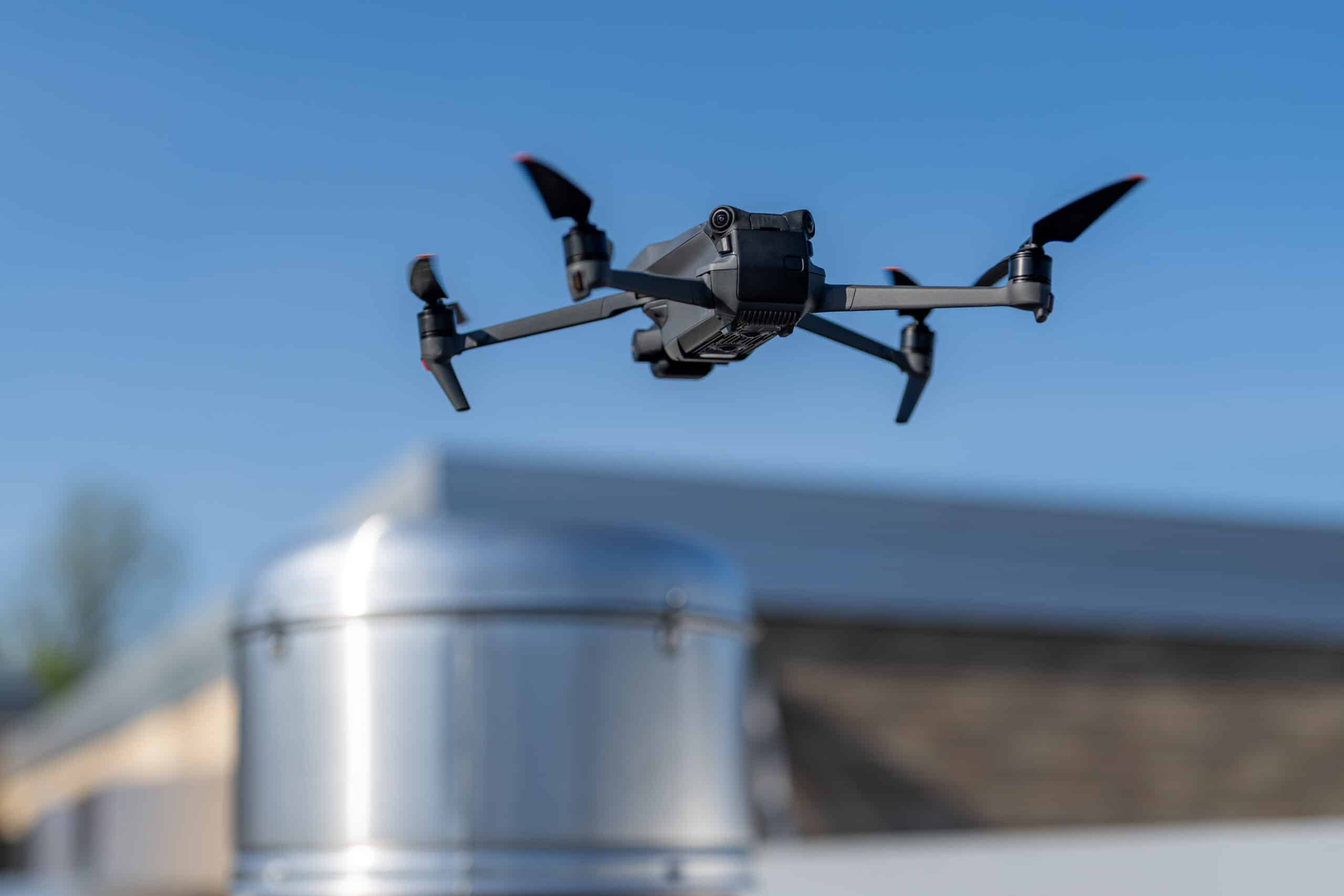
- What does your inspection include? Request a detailed list of components examined and confirm the inspector will physically access the roof rather than relying solely on drone imagery.
- What format will the report take? Ask to see a sample report to verify it includes photographs, prioritized recommendations, and clear condition assessments.
- Do you offer infrared or moisture scanning? These advanced diagnostics can identify hidden moisture that visual inspection alone misses.
- How soon will I receive the report? Professional contractors typically deliver detailed reports within 3-5 business days of the inspection.
- Can you provide references? Speaking with other commercial property owners who’ve used the contractor reveals valuable insights about inspection quality and communication.
Conclusion
Regular commercial roof inspections represent one of the smartest investments you can make in your business property. By catching problems early, maintaining warranty compliance, and extending your roof’s service life, scheduled assessments pay for themselves many times over while protecting your operations from costly disruptions.
The Skybird Roofing team brings extensive experience in commercial roofing assessment to every property we evaluate. We understand that your building represents a significant investment, and we treat every inspection with the thoroughness and professionalism your property deserves. Contact Skybird Roofing today if you need help with commercial roofing services, and let us show you how preventive maintenance keeps your business protected while saving money long-term.