
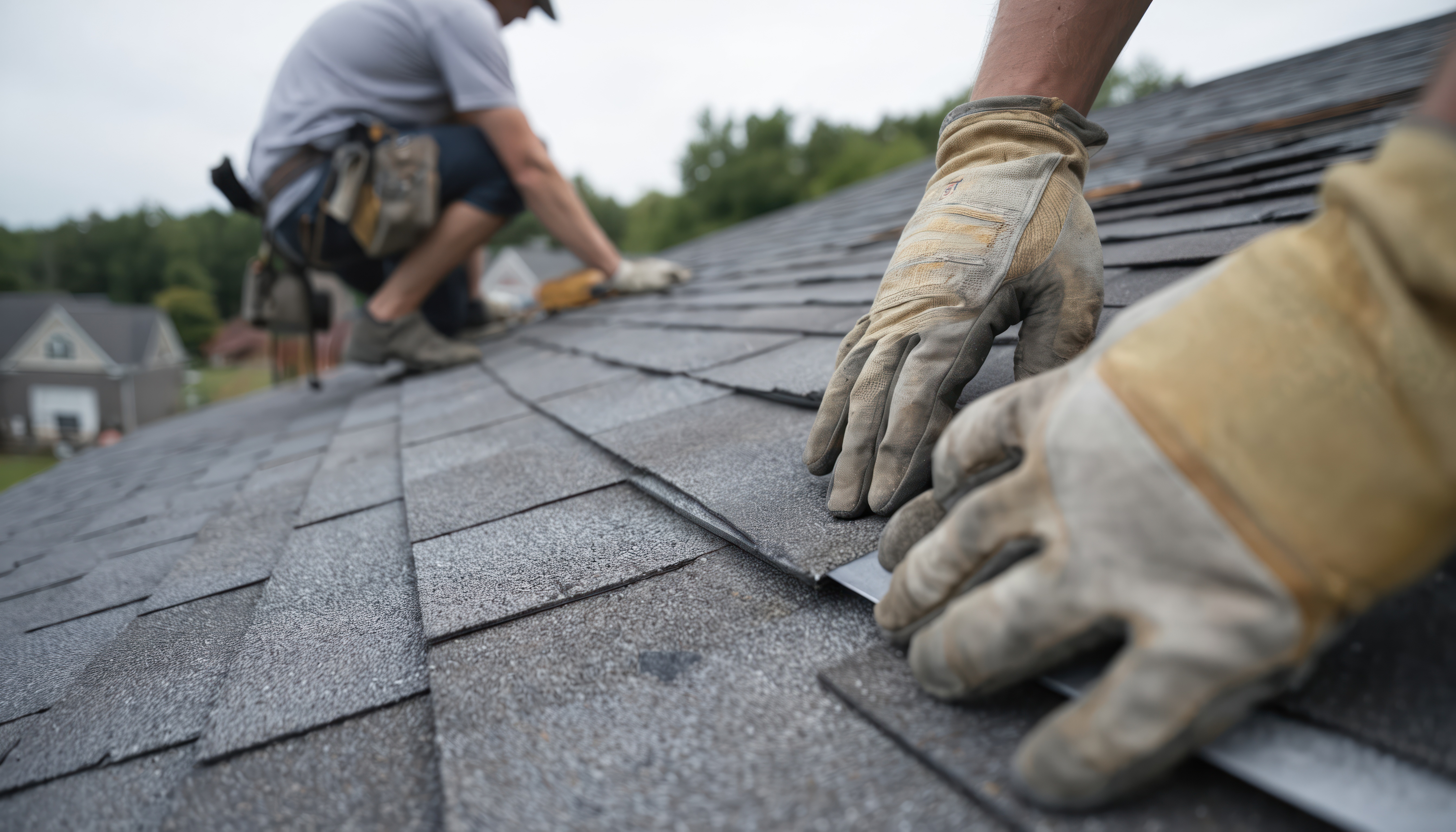
Emergency Roof Repair: Rapid Response Solutions When Disaster Strikes Your Home
Jump to a section:
When a severe storm rolls through your neighborhood or a tree limb crashes onto your roof at midnight, you need answers fast. Emergency roof repair addresses urgent damage that threatens your home’s interior, structural integrity, or your family’s safety. We created this guide to help you understand what qualifies as a roofing emergency, how to respond when disaster strikes, and what to expect from professional emergency roofing services.
What Qualifies as Emergency Roof Repair?
Emergency roof repair refers to immediate, temporary, or permanent repairs needed when your roof sustains damage that cannot wait for a standard scheduling window. This type of urgent roof repair protects your home from active water intrusion, prevents further structural damage, and restores safety to your living space. Not every roofing issue rises to the level of an emergency, so understanding the distinction helps you make the right call when trouble hits.
A true roofing emergency involves conditions where waiting 24 to 48 hours would result in significant additional damage to your home or create safety hazards. These situations often require 24 hour roof repair services and cannot wait for regular business hours.
“We’ve responded to thousands of emergency calls over the years, and what separates a true emergency from a standard repair comes down to one question: Will waiting make this worse? If water is actively entering your home or structural stability is compromised, that’s an emergency. If you notice a few missing shingles on a dry day, you have time to schedule a proper roof inspection.” — The Team at Skybird Roofing
Common situations that qualify as emergency roof repair:
- Active roof leaks during rain: Water actively dripping or flowing into your living space causes immediate damage to ceilings, walls, insulation, electrical systems, and personal belongings.
- Storm damage roof repair needs: High winds, hail, fallen trees, or flying debris can create large holes, tear off sections of roofing material, or compromise structural components.
- Fire damage: Even partial fire damage to a roof leaves your home exposed to weather and creates safety concerns.
- Structural sagging or collapse: Visible sagging in your roofline indicates potential structural failure that poses immediate danger.
- Exposed interior after severe weather: Any opening that allows direct access to weather, animals, or intruders requires urgent attention.
Emergency vs. Non-Emergency Roof Damage Comparison
| Emergency Situations | Non-Emergency Situations |
|---|---|
| Active water intrusion during rainfall | Minor stains on ceiling with no active leak |
| Large holes from fallen trees or debris | A few missing or damaged shingles |
| Structural sagging or visible collapse risk | Granule loss in gutters |
| Exposed interior to weather | Minor flashing separation |
| Fire or severe impact damage | Cosmetic wear or aging |
How Should You Respond to Emergency Roof Damage?
The actions you take in the first few hours after discovering roof damage can significantly reduce your total repair costs and prevent secondary damage to your home’s interior. While your instinct might be to climb onto the roof and assess the situation yourself, safety should come first. Wet or damaged roofs present serious fall risks, and structural integrity may already be compromised.
Your immediate response should focus on protecting yourself, documenting the damage, and minimizing water intrusion until professional help arrives. Taking the right steps also helps with insurance claims and gives your roofing contractor accurate information about the situation.
Immediate steps to take when emergency roof damage occurs:
- Prioritize personal safety: Keep family members and pets away from the damaged area. If you see sagging ceilings or hear cracking sounds, evacuate that section of the home immediately.
- Move belongings away from leak areas: Relocate furniture, electronics, and valuables from underneath active leaks. Place buckets or containers to catch water and protect flooring.
- Document everything with photos and video: Before covering or cleaning anything, capture visual evidence from multiple angles. This documentation proves valuable during insurance claims.
- Apply temporary interior protection: Lay down plastic sheeting or tarps on floors to prevent water damage while you wait for repairs.
- Contact your insurance company: Report the damage to your homeowner’s insurance provider and ask about coverage for emergency roof repair. Many policies cover storm damage roof repair and related water damage.
- Call a professional roofing company: Reach out to a company offering 24 hour emergency roof repair near me services. Describe the damage accurately so they can prepare the right materials and crew.
Resist the temptation to attempt DIY repairs on a damaged roof, especially in poor weather conditions. Falls from roofs account for a significant portion of home injury statistics, and temporary patches applied incorrectly can void your roofing warranty or insurance coverage.
What Does the Emergency Roof Repair Process Look Like?
When you call for emergency roofing services, professional contractors follow a specific process designed to stop active damage quickly while planning for permanent solutions. Understanding this process helps you know what to expect and allows you to make informed decisions during a stressful time.
The emergency roof repair process typically occurs in phases. The first phase addresses the immediate crisis through temporary measures, while later phases focus on complete restoration. This approach prioritizes stopping water intrusion and stabilizing your roof before moving to full repairs.
“Many homeowners expect us to show up and completely rebuild their roof the same day they call. That’s rarely the right approach. Emergency roof leak repair focuses on stopping the immediate problem, usually with professional tarping or temporary patches, so we can return under better conditions to complete permanent repairs correctly. Rushing a full repair in bad weather often leads to poor results.” — The Team at Skybird Roofing
Phases of professional emergency roof repair:
- Initial assessment and safety evaluation: Technicians evaluate the extent of damage, check for structural concerns, and identify all areas requiring attention. They also verify safe working conditions.
- Emergency tarping and temporary protection: Heavy-duty tarps secured with weighted boards or fasteners cover damaged areas. This prevents additional water entry while permanent repairs are planned.
- Water extraction and interior protection: If significant water has entered your home, technicians may coordinate with water damage restoration services to prevent mold growth.
- Detailed damage documentation: Contractors photograph and record all damage for your insurance claim and to plan permanent repair specifications.
- Permanent repair scheduling: Once the emergency is contained, you’ll schedule follow-up work for complete roof restoration or roof replacement if damage is extensive.
Emergency Repair Response Timeline
| Phase | Typical Timeframe | Primary Objective |
|---|---|---|
| Initial phone contact | Immediate | Gather damage information and dispatch crew |
| On-site arrival | 1-4 hours | Assess situation and confirm scope |
| Emergency tarping | Same day | Stop active water intrusion |
| Permanent repair estimate | 1-3 days | Provide detailed scope and pricing |
| Complete restoration | 1-4 weeks | Full repair or replacement |
How Does Storm Damage Affect Different Roofing Materials?
Different roofing materials respond to storm damage in distinct ways, and understanding these differences helps you assess your situation more accurately. The type of roof you have influences both the likelihood of storm damage and the repair approach your contractor will recommend.
Wind, hail, fallen debris, and ice each create different damage patterns depending on your roofing material. Knowing what to look for helps you provide better information when calling for emergency roofing services.
Storm damage patterns by roofing material type:
- Asphalt shingles: Wind lifts and tears shingles from the roof deck, while hail creates bruising that dislodges protective granules. Look for shingles in your yard, exposed underlayment, or circular indentations across the roof surface.
- Metal roofing panels: Large hail can dent metal surfaces, and extreme winds may loosen fasteners or lift panel edges. Check for visible dents, raised seams, or loose flashing around penetrations.
- Tile roofing (clay or concrete): Impact from debris or large hail cracks or breaks individual tiles. Tiles may also shift or slide out of position during high winds, exposing the underlayment.
- Flat or low-slope roofing: Ponding water from clogged drains during storms can exceed weight limits, and membrane materials may puncture from debris. Seams can separate under stress.
- Wood shake roofing: Wind splits or removes individual shakes, and impact damage causes cracking. Wood roofs also face increased fire risk after storms deposit debris.
Roofing material also affects how quickly emergency repairs can be completed. Asphalt shingle repairs often proceed faster since materials are readily available, while specialty materials like certain tile profiles may require longer lead times for permanent repairs.
What Should You Know About Insurance Claims for Emergency Roof Repair?
Filing an insurance claim correctly can mean the difference between full coverage and paying thousands out of pocket. Homeowner’s insurance policies typically cover sudden and accidental damage from storms, fallen trees, and other unexpected events. They generally do not cover damage resulting from lack of maintenance or gradual wear.
The documentation you gather immediately after discovering damage forms the foundation of your claim. Insurance adjusters rely on this evidence to determine coverage amounts, so thorough records protect your financial interests.
Steps to protect your insurance claim:
- Review your policy before calling: Understand your deductible amount, coverage limits, and any specific requirements for emergency repairs. Some policies require you to use specific contractors or obtain pre-approval.
- Document the damage timeline: Note when you first discovered the damage and when the storm or incident occurred. Insurance companies may deny claims for damage discovered long after an event.
- Keep all receipts and invoices: Save documentation for emergency tarping, temporary repairs, hotel stays if you cannot remain in your home, and any other related expenses.
- Request itemized estimates: Professional roofing contractors provide detailed breakdowns that help adjusters understand the full scope of necessary repairs.
- Avoid permanent repairs before adjuster inspection: While emergency tarping is expected and encouraged, complete permanent repairs before an adjuster visits may complicate your claim.
“We work with insurance companies regularly, and the most common reason claims get underpaid is insufficient documentation. Take more photos than you think you need, save every receipt, and keep a written log of events. When we provide repair estimates, we include detailed line items that match how insurance companies process claims. This approach helps homeowners receive fair settlements.” —The Team at Skybird Roofing
Common Insurance Claim Scenarios and Typical Coverage
| Damage Type | Usually Covered | Usually Not Covered |
|---|---|---|
| Wind damage | Yes | Cosmetic damage only (varies by policy) |
| Hail damage | Yes | Pre-existing damage worsened by hail |
| Fallen tree from storm | Yes | Dead tree you failed to remove |
| Water damage from roof leak | Yes (if sudden) | Gradual leaks from poor maintenance |
| Emergency tarping costs | Yes | Upgrades beyond original condition |
How Do You Choose a Reliable Emergency Roofing Contractor?
Disasters bring out both legitimate contractors and opportunistic scammers who target vulnerable homeowners. After major storms, areas often see an influx of out-of-state contractors going door-to-door, some of whom lack proper licensing, insurance, or any intention of completing quality work.
Taking time to verify a contractor’s credentials protects you from poor workmanship, liability for worker injuries, and contractors who take deposits and disappear. Reputable emergency roofing services companies maintain proper documentation and welcome verification.
Criteria for selecting an emergency roofing contractor:
- Verify state and local licensing: Check that the contractor holds current licenses required in your state and municipality. License databases are typically searchable online through state contractor licensing boards.
- Confirm insurance coverage: Request certificates of liability insurance and workers’ compensation coverage. Call the insurance company listed to verify the policy remains active.
- Check established local presence: Companies with physical addresses in your area and years of local operation are more likely to stand behind their work. Storm chasers typically lack local roots.
- Read recent reviews: Online reviews on Google, the Better Business Bureau, and industry sites reveal patterns in contractor behavior and workmanship quality.
- Get written estimates: Professional contractors provide detailed written estimates before beginning work. Avoid anyone who pressures you to sign contracts on the spot or demands large cash deposits.
- Ask about warranties: Quality contractors offer workmanship warranties in addition to manufacturer material warranties. Understand what each warranty covers.
For commercial roofing emergencies, verify that the contractor has specific experience with commercial roof systems, which differ significantly from residential applications in materials, scale, and building code requirements.
Can Proper Maintenance Reduce Emergency Roof Repair Needs?
While you cannot prevent every roofing emergency, regular maintenance dramatically reduces your vulnerability to storm damage and helps identify weak points before they fail. A roof in good condition withstands weather events that would devastate a neglected roof.
Preventive maintenance costs far less than emergency repairs. Annual inspections catch minor issues like loose flashing, deteriorating sealant, or damaged shingles that could become major problems during the next storm.
“The calls that frustrate us most are from homeowners who had small, inexpensive problems we could have fixed easily, but they waited until a storm turned those minor issues into major emergencies. A $300 repair ignored becomes a $5,000 emergency when the next storm hits. We encourage every homeowner to schedule annual inspections, particularly before storm season.” — The Team at Skybird Roofing
Maintenance tasks that prevent roofing emergencies:
- Schedule annual professional inspections: Trained inspectors identify vulnerabilities you might miss, including issues with flashing, penetrations, ventilation, and material condition.
- Clean gutters and downspouts regularly: Clogged gutter installation systems cause water backup that damages fascia boards, soffits, and roof edges. Clean gutters at least twice annually.
- Trim overhanging tree branches: Branches that contact your roof during wind events cause abrasion damage and provide a path for animals. Large limbs become projectiles in storms.
- Address minor repairs immediately: Replace missing or damaged shingles, reseal flashing, and fix small leaks before they grow into emergencies.
- Check attic ventilation: Proper ventilation prevents ice dam formation in cold climates and reduces heat-related material degradation in warm climates.
- Clear debris from roof surface: Accumulated leaves, branches, and debris hold moisture against roofing materials and clog drainage paths.
Maintenance Investment vs. Emergency Repair Cost Comparison
| Maintenance Task | Typical Cost | Emergency Alternative | Emergency Cost |
|---|---|---|---|
| Annual inspection | $150-$400 | Hidden damage discovery during storm | $2,000-$10,000+ |
| Gutter cleaning (2x/year) | $150-$300 | Fascia rot and water intrusion | $1,000-$3,000 |
| Flashing resealing | $200-$500 | Major leak at penetration | $500-$2,500 |
| Shingle replacement (few) | $150-$400 | Wind tears off large section | $1,500-$5,000 |
What Are Typical Costs for Emergency Roof Repair Services?
Emergency roof repair costs more than scheduled repairs because of the immediate response requirement, potential after hours roofing rates, and the urgency of materials procurement. Understanding typical pricing helps you recognize fair quotes and budget appropriately.
Costs vary based on damage extent, roof accessibility, materials needed, and your geographic location. Emergency tarping to stop active leaks represents the minimum intervention, while extensive storm damage may require partial or complete roof replacement.
Factors that influence emergency roof repair pricing:
- Time of service call: Same day roof repair and after hours roofing typically carry premium rates. Weekend and holiday calls may cost 50% more than weekday service.
- Damage extent and complexity: Small punctures cost less than large areas of missing roofing. Structural damage requiring engineering assessment increases costs significantly.
- Roof pitch and accessibility: Steep roofs require additional safety equipment and slow work progress. Multi-story homes cost more than single-story due to access challenges.
- Material availability: Common asphalt shingles are readily available. Specialty tiles, specific metal profiles, or discontinued materials may require sourcing time that extends the repair timeline.
- Secondary damage: Water that entered your home may require separate remediation services for drywall, insulation, and mold prevention.
Emergency Roof Repair Cost Ranges
| Service Type | Typical Cost Range | What’s Included |
|---|---|---|
| Emergency tarping only | $200-$700 | Tarp installation, temporary waterproofing |
| Emergency leak repair (small) | $300-$1,000 | Locate leak, temporary or permanent patch |
| Storm damage repair (moderate) | $1,000-$5,000 | Replace damaged sections, restore waterproofing |
| Extensive damage repair | $5,000-$15,000+ | Large area restoration, structural work |
| Full replacement (if needed) | $8,000-$30,000+ | Complete tear-off and new installation |
Many roofing contractors offer financing options for larger repairs, and insurance coverage may reimburse most costs for covered events. Always get written estimates before authorizing work beyond initial emergency tarping.
Let the Skybird Roofing Team Protect Your Home
Roof emergencies create stress and uncertainty at the worst possible times. Having a plan and knowing who to call makes all the difference when disaster strikes. We built Skybird Roofing to be the company homeowners can trust during their most urgent moments, providing fast emergency roof leak repair services backed by quality workmanship and honest communication.
Our team responds quickly to emergency calls, arrives prepared with materials for immediate protection, and guides you through the insurance claim process. We then schedule permanent repairs at your convenience and stand behind our work with solid warranties.
If you need help with roofing services, whether facing an emergency right now or wanting to schedule a preventive inspection before the next storm season, contact Skybird Roofing today. We’re here when you need us most.