
Emergency Roof Repairs During Raleigh’s Hurricane Season: What Works When Time Is Critical
Jump to a section:
When hurricane warnings appear across North Carolina’s coast, Raleigh homeowners face a narrow window to protect their properties. The difference between minor water damage and catastrophic structural failure often comes down to how quickly you respond to roof damage. Understanding which roof repair strategies work when time runs short can save you thousands of dollars and prevent long-term damage to your home.
How Do You Identify Roof Damage That Requires Immediate Emergency Action?
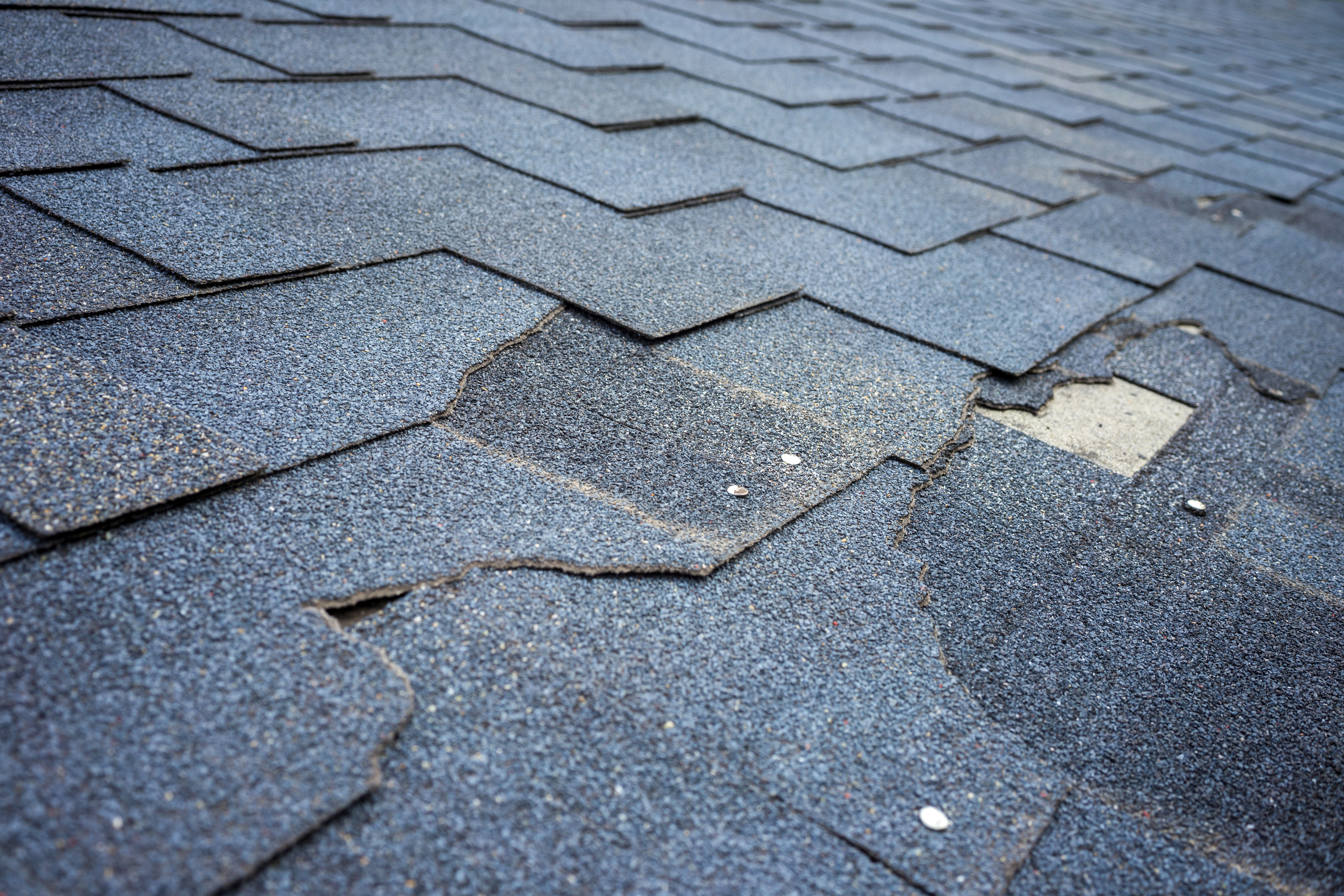
Hurricane winds frequently tear away roofing materials before you notice any indoor signs. Active leaks represent the most obvious signal, but several other indicators demand rapid response. Missing shingles create vulnerable spots where water penetrates underlayment within hours. Lifted flashing around chimneys and vents allows moisture to seep into your attic space. Sagging sections signal structural compromise that could collapse under additional rain weight.
Walking your property’s perimeter after a storm reveals damage that might not show up inside right away. Look for shingle granules collecting in gutters or scattered across your yard. These ceramic-coated particles protect asphalt shingles from UV damage, and their loss accelerates deterioration. Check for bent or separated metal roofing panels if your home features this material. Wind can pry panels loose at the seams, creating entry points for rain.
Our emergency response team sees the same pattern after every major storm: homeowners who inspect their roofs within 24 hours catch problems before they multiply. That early identification cuts repair costs by 60-70% compared to waiting several days.
Critical damage indicators requiring immediate professional assessment:
- Water stains on ceilings or walls: Brown or yellow discoloration means moisture has already breached your roof system and begun soaking insulation and drywall.
- Exposed roof decking: Visible wood where shingles should be leaves your home vulnerable to rapid water intrusion during the next rain event.
- Punctures from fallen branches: Trees dropping limbs during storms can punch through roofing materials and compromise the structural deck beneath.
- Daylight visible through attic spaces: Gaps large enough to admit light will allow rain to pour into your home during the next weather event.
- Pooling water on flat sections: Standing water indicates drainage problems that will cause progressive deterioration if not addressed quickly.
What Emergency Repairs Can Homeowners Safely Attempt Before Professional Help Arrives?
Professional roof inspection teams often face 48-72 hour backlogs during peak hurricane season. You can take several temporary measures to prevent additional damage while waiting for expert assistance. Start by documenting all visible damage with photos and videos for insurance claims. This record becomes crucial when filing for coverage.
Tarping stands as the most effective temporary solution for missing shingles or punctured sections. Blue poly tarps rated at minimum 6-mil thickness provide adequate short-term protection. Extend the tarp at least 4 feet beyond damaged areas on all sides. Secure edges with 2×4 boards rather than nails, which create additional penetrations. Weight the boards with sandbags instead of driving fasteners through your remaining roofing materials.
Comparison of temporary emergency repair materials:
| Material Type | Expected Lifespan | Wind Resistance | Cost Per 100 SF |
|---|---|---|---|
| 6-mil poly tarp | 2-4 weeks | 45 mph winds | $25-40 |
| 12-mil reinforced tarp | 4-8 weeks | 60 mph winds | $75-120 |
| Roof patch sealant | 3-6 months | 70 mph winds | $40-60 |
| Self-adhesive membrane | 6-12 months | 80 mph winds | $150-225 |
Interior water containment prevents secondary damage while you address the roof breach. Place buckets under active leaks and spread plastic sheeting across floors to protect flooring and belongings. Move furniture and valuables away from affected areas. If water collects in ceiling fixtures, shut off electrical circuits serving those rooms to prevent shock hazards. Opening attic vents helps dry accumulated moisture and reduces mold growth risk.
We advise homeowners to focus on containment rather than permanent fixes during emergency situations. Attempting complex repairs without proper training and equipment often creates bigger problems that cost more to correct later.
Safe DIY emergency measures that won’t void insurance coverage:
- Bucket placement under active leaks: Collect dripping water to minimize floor and ceiling damage while preventing electrical hazards from moisture accumulation.
- Furniture and valuables relocation: Moving possessions away from damaged areas protects your property and demonstrates reasonable mitigation efforts for insurance claims.
- Exterior debris removal: Clearing fallen branches and blown materials from your roof prevents additional punctures and allows proper tarping of damaged sections.
- Gutter clearing: Removing leaves and debris maintains drainage function and prevents water backup that could worsen existing leaks.
- Attic ventilation management: Opening vents promotes air circulation that speeds drying and reduces condensation that feeds mold growth.
Which Professional Emergency Services Deliver the Fastest Response During Hurricane Season?
Raleigh’s 24-hour roof service providers operate differently during hurricane season compared to normal conditions. Local commercial roofing contractors often extend residential emergency response during major weather events. Companies with established relationships in the community typically prioritize existing clients, but most maintain dedicated emergency crews for urgent leak repair needs regardless of previous service history.
Response time varies dramatically based on storm severity and geographic spread of damage. Contractors serving multiple counties may take 3-5 days to reach individual homes after widespread events. Specialty emergency restoration companies often arrive faster but charge premium rates for immediate service. Understanding pricing structures before signing emergency service agreements prevents surprise costs when you’re under pressure to act quickly.
Emergency response timeline expectations by service provider type:
| Provider Type | Average Response Time | Typical Service Coverage | Cost Premium |
|---|---|---|---|
| Local roofing contractor | 24-72 hours | Emergency tarping, temporary patches | Standard rates |
| Regional restoration company | 12-24 hours | Full water mitigation, emergency repairs | 25-40% above standard |
| National emergency service | 4-12 hours | Tarping, water extraction, temporary fixes | 50-100% above standard |
| Insurance-approved contractor | 48-96 hours | Assessment, emergency repairs, full replacement | Standard rates |
Verifying contractor credentials before allowing roof access protects you from storm-chasing scams. North Carolina requires roofing contractors to hold licenses for jobs exceeding $30,000. Check the NC Licensing Board for Contractors database to confirm active status. Request proof of liability insurance and workers’ compensation coverage before any work begins. Legitimate contractors provide these documents without hesitation.
Our commitment to transparent pricing means we provide written estimates before starting any emergency work. Even during crisis situations, you deserve to understand costs and approve them before contractors begin repairs on your property.
Questions to ask emergency contractors before authorizing work:
- What specific repairs will you complete today? Clear scope definition prevents misunderstandings about what counts as emergency service versus permanent repairs requiring additional contracts.
- Do you have available crews or are you subcontracting? Companies using their own employees typically deliver more consistent quality than those hiring temporary labor during busy periods.
- What payment terms do you offer? Reputable contractors accept insurance assignments and don’t demand full payment upfront for emergency services.
- Will you provide written documentation of your work? Detailed records support insurance claims and establish what repairs occurred before permanent reconstruction begins.
- Can you schedule a follow-up inspection? Professional companies return after initial emergency work to assess whether temporary measures are holding and plan permanent repairs.
How Does Hurricane Roof Damage in Raleigh Differ From Other Storm-Related Issues?
Hurricane damage patterns differ significantly from regular thunderstorm impacts. Sustained winds exceeding 75 mph create uplift forces that regular shingles can’t withstand. These prolonged gusts peel back roofing materials in large sections rather than displacing individual shingles. The combination of wind-driven rain and extended storm duration means water finds every vulnerable point in your roof system.
Hail damage accompanying some hurricanes creates a distinct signature. Impact craters in asphalt shingles remove granule protection and bruise the underlying mat. These weakened spots might not leak immediately but will fail faster than undamaged areas. Wind-blown debris ranges from small branches to entire trees, with impacts that vary from surface dents to complete penetration of your roof deck.
Storm damage characteristics by weather event type:
| Storm Type | Primary Damage Mechanism | Typical Repair Scope | Insurance Claim Complexity |
|---|---|---|---|
| Thunderstorm | Isolated wind gusts, small hail | Spot shingle replacement | Low – straightforward assessment |
| Tropical storm | Sustained winds, heavy rain | Section repairs, flashing work | Moderate – requires documentation |
| Category 1-2 hurricane | High sustained winds, debris impact | Partial roof replacement common | High – extensive documentation needed |
| Category 3+ hurricane | Extreme winds, widespread damage | Full roof replacement typical | Very high – detailed assessment required |
Raleigh’s distance from the coast means hurricanes typically weaken to tropical storm strength before arrival. This geographic buffer protects local homes from the worst wind speeds but doesn’t eliminate risk. Weakened trees saturated by days of rain before the storm topple more easily during hurricane-force gusts. These falling trees cause most structural roof damage in the Raleigh area during major weather events.
Regional factors affecting hurricane roof damage severity in Raleigh:
- Tree canopy density: Mature oak and pine trees common in established neighborhoods create falling hazards during high winds that coastal areas without dense vegetation don’t face.
- Building age distribution: Homes built before 1995 often lack modern wind-resistant shingle installation methods and face higher damage risk during tropical systems.
- Roof pitch variations: Steeper slopes common in Raleigh’s residential construction shed water better but catch more wind uplift than flatter coastal designs.
- Elevation changes: Rolling terrain means some properties sit in valleys where wind accelerates between hills, concentrating damage in specific neighborhoods.
- Distance from storm center: Being 100+ miles inland typically reduces wind speeds by 25-40% compared to coastal impact zones, lowering catastrophic damage frequency.
What Insurance Documentation Do You Need Before Emergency Repairs Begin?
Starting emergency repairs without proper documentation can jeopardize your insurance claim. Photograph all damage from multiple angles before anyone steps onto your roof. Capture wide shots showing your entire roof and close-ups of specific damage areas. Include reference points like chimneys or vents to establish scale and location. Video documentation provides additional context showing damage extent across your entire roof surface.
Contact your insurance carrier as soon as you discover damage, even before scheduling emergency repairs. Most policies require prompt notification and allow reasonable emergency mitigation work. Request claim numbers and adjuster contact information during this initial call. Ask specifically about coverage for temporary repairs and keep all receipts for materials purchased. Insurance companies typically reimburse reasonable emergency protection costs even if they ultimately deny the main claim.
Documentation quality directly impacts claim approval rates. We walk homeowners through the photo process before starting emergency work because those images become the foundation for proving damage occurred and justifying repair costs to insurance adjusters.
Essential documentation checklist for hurricane roof damage claims:
- Pre-storm roof condition photos: Images taken during your last roof inspection establish baseline condition and prove damage resulted from the storm rather than pre-existing deterioration.
- Post-storm exterior damage photos: Document all visible roof damage, missing materials, and debris impacts before cleanup or temporary repairs alter the scene.
- Interior water damage photos: Photograph ceiling stains, wall moisture, and affected belongings to demonstrate the scope of water intrusion resulting from roof breaches.
- Emergency repair receipts: Keep all invoices for tarps, materials, and contractor services to support reimbursement requests for reasonable mitigation expenses.
- Contractor assessment reports: Professional damage evaluations from licensed roofers provide expert opinions supporting your claim’s validity and repair cost estimates.
Typical insurance response timeline for hurricane roof damage claims:
| Claim Stage | Expected Timeline | Required Actions | Common Delays |
|---|---|---|---|
| Initial claim filing | Day 1-2 | Report damage, provide policy number | Phone system overload after major storms |
| Adjuster assignment | Day 2-7 | Wait for contact from assigned adjuster | Widespread damage creates adjuster shortages |
| Property inspection | Day 7-21 | Meet adjuster, provide documentation | Scheduling conflicts, multiple properties |
| Claim decision | Day 14-45 | Review settlement offer, negotiate if needed | Disputed coverage, supplemental inspections |
Which Roofing Materials Hold Up Best During Raleigh’s Hurricane Season?
Asphalt shingles dominate Raleigh’s residential roofing market but vary significantly in wind resistance. Standard three-tab shingles rated for 60 mph winds fail frequently during hurricane-force gusts. Architectural shingles with 110-130 mph ratings perform better but still sustain damage during major storms. Proper installation matters more than shingle grade alone. Nails driven at wrong angles or spacing create weak points where wind gets underneath materials.
Metal roofing systems withstand hurricane conditions better than any shingle type. Standing seam panels interlock and attach directly to roof decking with concealed fasteners. This design eliminates the exposed nail heads that allow wind to pry up shingles. Metal’s durability comes at a price premium, typically costing 2-3 times more than architectural shingles for initial installation. The investment pays back through lower replacement frequency and minimal storm damage.
Comparative performance of common roofing materials during hurricane conditions:
| Material Type | Wind Rating | Hurricane Damage Frequency | Expected Lifespan | Cost Range (per square) |
|---|---|---|---|---|
| 3-tab asphalt shingles | 60-70 mph | High – frequent minor damage | 15-20 years | $80-120 |
| Architectural shingles | 110-130 mph | Moderate – occasional section loss | 25-30 years | $120-200 |
| Impact-resistant shingles | 110-130 mph | Low – mainly edge damage | 30-35 years | $150-250 |
| Standing seam metal | 140-180 mph | Very low – rare isolated issues | 40-60 years | $350-600 |
Impact-resistant shingles earn Class 4 ratings by withstanding 2-inch steel ball drops from specific heights. This hail resistance also provides better wind performance through reinforced construction. Many insurance companies offer 20-30% premium discounts for Class 4 installations. These savings offset higher material costs over the roof’s lifespan, particularly in areas experiencing frequent severe weather.
Factors beyond material type that influence hurricane damage resistance:
- Installation quality and technique: Properly placed fasteners and correct adhesive application matter more than material grade alone for wind resistance and water penetration prevention.
- Roof deck condition and thickness: Solid, well-fastened decking provides better anchor points for roofing materials and resists structural failure during extreme wind events.
- Underlayment selection and coverage: High-quality synthetic underlayment creates a secondary water barrier that prevents leaks when surface materials sustain damage during storms.
- Edge detail and drip edge installation: Properly sealed perimeter areas resist wind uplift that typically starts at roof edges and progresses inward during hurricane conditions.
- Regular maintenance and inspection schedule: Catching and fixing small problems before storm season prevents minor issues from becoming major failures during severe weather events.
What Preventive Measures Can You Take Before Hurricane Warnings Are Issued?
Annual inspections before hurricane season identify vulnerabilities before storms test them. Schedule professional evaluations in April or May when contractors have lighter workloads and can spend more time on thorough assessments. These proactive checks cost $150-300 but often reveal minor problems fixable for a few hundred dollars rather than thousands in emergency repairs later.
Tree trimming ranks as the most overlooked hurricane preparation step. Branches hanging over your roof become projectiles during high winds. Removing deadwood and cutting back overhanging limbs reduces impact damage risk significantly. Professional arborists can identify trees with root problems or structural weaknesses that make them fall candidates during major storms. Removing these hazard trees before hurricane season protects both your roof and your neighbors’ properties.
We recommend combining roof inspections with gutter installation or maintenance work during spring preparation. Clean, properly flowing gutters reduce water backup that contributes to roof damage during extended rain events that accompany hurricanes.
Pre-season preventive maintenance tasks that reduce emergency repair likelihood:
- Shingle adhesive check and resealing: Heat-activated adhesive strips can fail over time, allowing shingles to lift easily during wind events; resealing loose tabs prevents wholesale section loss.
- Flashing inspection and replacement: Metal flashing around chimneys, vents, and valleys deteriorates faster than shingles and represents common leak sources when storms stress these vulnerable points.
- Fastener assessment and reinforcement: Lifted nails or screws reduce material hold-down strength; identifying and replacing failed fasteners before storm season prevents progressive failure during wind events.
- Attic ventilation evaluation: Proper airflow prevents moisture buildup that weakens roof decking and creates conditions where wind can more easily separate materials from substrate.
- Emergency supply preparation: Stockpiling tarps, fasteners, plywood, and sealant before storms hit means you can implement temporary repairs immediately rather than competing for scarce supplies.
Cost comparison of preventive maintenance versus emergency repairs:
| Scenario | Preventive Cost | Emergency Repair Cost | Potential Savings |
|---|---|---|---|
| Minor flashing repair | $200-400 | $800-1,500 | $600-1,100 |
| Shingle resealing (10 squares) | $300-500 | $2,000-4,000 | $1,700-3,500 |
| Tree trimming near roof | $400-800 | $5,000-15,000 | $4,600-14,200 |
| Full inspection with minor fixes | $400-600 | $3,000-8,000 | $2,600-7,400 |
How Do You Balance Emergency Repairs With Long-Term Replacement Planning?
Emergency repairs buy time but rarely represent permanent solutions. Understanding when to invest in temporary fixes versus committing to full replacement requires evaluating your roof’s remaining lifespan. A roof with 10+ years of expected service life justifies emergency repairs after storm damage. Roofs already near replacement age often make more financial sense to replace completely rather than patch repeatedly.
Insurance adjusters consider age when evaluating claims. They apply depreciation based on expected lifespan, reducing payouts on older roofs. A 20-year-old asphalt shingle roof rated for 25 years receives 80% depreciation, meaning you pay most replacement costs out of pocket even with approved claims. This depreciation structure sometimes makes paying for full replacement upfront more economical than fighting for claim approval on aged systems.
Decision framework for repair versus replacement after hurricane damage:
- Damage extent calculation: If hurricane impact affects more than 30% of your roof surface, replacement typically costs less than extensive section repairs when accounting for color matching and warranty coverage.
- Remaining service life evaluation: Roofs within 3-5 years of expected replacement age justify full replacement rather than temporary fixes that only delay inevitable replacement costs.
- Insurance coverage analysis: Review your policy’s actual cash value versus replacement cost coverage to understand out-of-pocket expenses for each option before committing to repair approaches.
- Material availability consideration: Discontinued shingle lines or colors that no longer match existing materials push repair decisions toward full replacement to maintain appearance consistency.
- Building code compliance requirements: Some jurisdictions require full roof upgrades to current building codes when repair work exceeds specific percentages, making partial repairs impractical or impossible.
Combining emergency repairs with planned upgrades offers the best value during reconstruction. If replacement becomes necessary after storm damage, upgrading to better wind-resistant materials prevents repeat damage during future hurricanes. The incremental cost difference between standard and premium materials shrinks when you’re already paying for labor and removal. This timing allows you to improve your home’s protection while insurance covers base replacement costs.
Typical roof age and recommended approach after hurricane damage:
| Roof Age | Expected Remaining Life | Recommended Approach | Typical Insurance Position |
|---|---|---|---|
| 0-5 years | 15-25 years | Repair damaged sections | Full coverage, minimal depreciation |
| 6-12 years | 8-19 years | Repair if damage limited | Moderate depreciation applied |
| 13-20 years | 5-12 years | Consider replacement if damage exceeds 25% | Significant depreciation, partial coverage |
| 21+ years | 0-4 years | Replace rather than repair | Heavy depreciation, limited coverage |
Frequently Asked Questions
How quickly should I schedule a roof inspection after hurricane damage?
Schedule inspection within 24-48 hours after storm conditions clear. Early detection prevents minor damage from becoming structural problems. Most insurance policies require prompt damage notification, and waiting several days can complicate claims by making it harder to prove storm causation versus pre-existing conditions.
Can I wait until insurance approves my claim before starting emergency repairs?
No, you should implement reasonable emergency measures immediately to prevent additional damage. Insurance policies require policyholders to mitigate losses promptly. Delaying emergency tarping or water extraction can lead to denied coverage for secondary damage. Keep receipts and photos documenting all emergency work for reimbursement claims.
What qualifies as reasonable emergency repair costs that insurance will cover?
Most carriers cover temporary tarping, water extraction, and basic protection measures ranging from $500-2,000. Permanent repairs require adjuster approval before starting work. If emergency services exceed normal market rates significantly, insurers may reduce reimbursement. Request written estimates before authorizing work to establish reasonable cost documentation.
Should I accept the first contractor who responds to my emergency repair request?
Verify credentials and get written estimates even during emergencies. Storm-chasing contractors often charge premium rates and disappear after collecting payment. Check local licensing, insurance coverage, and business references before allowing roof access. Legitimate contractors provide this information readily and don’t pressure immediate decisions.
How do I prevent mold growth after roof leaks from hurricane damage?
Start drying affected areas within 24-48 hours using fans, dehumidifiers, and open windows when weather permits. Remove wet insulation and ceiling materials that can’t dry completely. Treat exposed wood with mildewcide solutions. Professional water remediation services often justify their cost by preventing long-term mold problems requiring expensive removal.
Does homeowner’s insurance cover temporary housing if hurricane roof damage makes my home uninhabitable?
Most policies include Additional Living Expense coverage for temporary housing when your home becomes unlivable due to covered damage. This coverage pays hotel costs, rental housing, and increased food expenses. Review your policy limits before assuming full coverage, and keep detailed receipts for all temporary living costs.
What’s the difference between wind damage and water damage in insurance claims?
Wind damage results from direct wind impact lifting or removing roofing materials. Water damage occurs when rain enters through wind-created openings. Both typically fall under the same hurricane claim, but policies may treat them differently if water entered through pre-existing leaks rather than storm-created breaches. Documentation establishing causation becomes critical.
How long do emergency roof tarps typically last before needing replacement?
Quality tarps properly installed last 2-4 weeks during normal weather. Extended exposure to sun degrades materials faster, reducing effectiveness. Plan for permanent repairs within this timeframe. If delays extend beyond a month, consider upgrading to more durable covering materials or self-adhesive membranes designed for longer-term protection.
Protecting Your Home When Minutes Matter
Hurricane season brings unpredictable challenges to Raleigh homeowners, but knowing how to respond quickly to roof damage minimizes both immediate risks and long-term costs. The key difference between minor inconvenience and major disaster often comes down to rapid action and informed decision-making during those first critical hours after a storm.
At Skybird Roofing, we maintain dedicated emergency response teams throughout hurricane season to help Raleigh homeowners protect their properties when time matters most. Our local crews understand the specific challenges that inland hurricanes create and bring the experience needed to stabilize your roof quickly and correctly. If you’re facing hurricane roof damage or want to prepare your home before the next storm, contact Skybird Roofing for professional emergency roof repair services that deliver results when you need them most.