Raleigh’s Architectural Evolution: Why Modern Homeowners Are Choosing Metal Over Shingles
Jump to a section:
Across Raleigh’s neighborhoods, from the historic streets of Oakwood to the contemporary infill projects downtown, a quiet transformation is reshaping residential rooflines. Homeowners are increasingly selecting metal roofing over traditional asphalt shingles, driven by a combination of aesthetic preference, long-term value, and climate adaptability. This shift reflects broader changes in how Triangle-area residents approach home design, performance, and investment.
What Makes Metal Roofing Appealing for Contemporary Architecture?
Modern home design in Raleigh has embraced clean lines, minimalist aesthetics, and materials that blend form with function. Contemporary metal roofing delivers on all three fronts, offering visual simplicity while meeting the practical demands of North Carolina’s varied weather patterns.
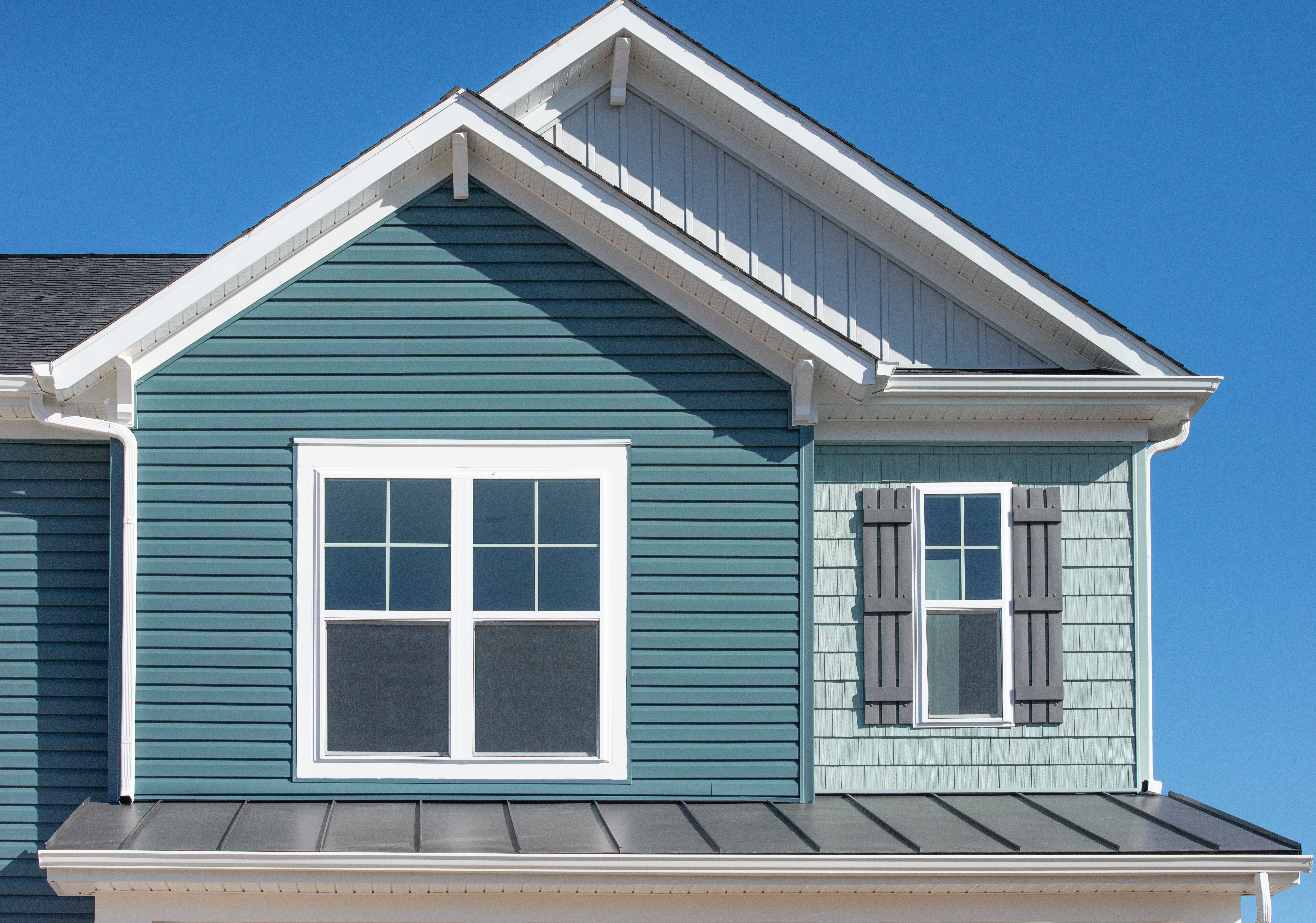
Standing seam panels create vertical lines that complement modern architectural elements like large windows, simple geometric forms, and mixed-material exteriors. The raised seams interlock without visible fasteners, producing a streamlined appearance that works particularly well on low-slope roofs and contemporary builds. Unlike the textured, granular surface of asphalt shingles, metal panels provide a smooth finish that reflects light differently throughout the day, adding subtle visual interest to flat or angular rooflines.
Key design advantages of architectural metal panels include:
- Visual continuity: Panels run uninterrupted from ridge to eave, creating clean sightlines that pair well with minimalist design principles
- Color consistency: Factory-applied finishes maintain their appearance longer than granular coatings, with many manufacturers offering 30-year color warranties
- Material pairing flexibility: Metal roofs work with wood siding, stone accents, stucco, and modern fiber cement boards, allowing designers to create contrast without visual conflict
- Profile variety: Panel widths and seam heights can be customized to match specific architectural styles, from subtle narrow ribs to bold, pronounced profiles
Raleigh’s architectural diversity allows for this flexibility. Five Points showcases everything from standing seam installations on new construction to corrugated metal on renovated mid-century homes. Historic Oakwood uses metal shingles that replicate traditional materials while providing modern performance. Downtown infill projects frequently specify matte black or charcoal standing seam roofs to complement urban aesthetics.
“We’re seeing homeowners view their roof as an architectural statement rather than just weather protection. The selection process now includes conversations about profile, finish, and how the roofline integrates with the overall design vision. Metal panels give architects and builders tools to create distinctive homes that still perform well in our climate.” – The Team at Skybird Roofing
How Does the Investment Compare to Traditional Roofing Materials?
The financial equation for metal roofing extends well beyond the initial installation. While upfront costs run higher than asphalt shingles, the total cost of ownership tells a different story when analyzed over multiple decades.
Metal Roofing Cost Analysis: Raleigh Market (2025)
| Material Type | Cost Per Square Foot (Installed) | Expected Lifespan | Replacements Over 50 Years | Total 50-Year Cost (2,000 sq ft roof) |
|---|---|---|---|---|
| Asphalt Shingles (Architectural) | $4.50 – $7.00 | 20-25 years | 2-3 times | $27,000 – $42,000 |
| Steel Standing Seam | $9.00 – $12.00 | 40-50 years | 1 time | $36,000 – $48,000 |
| Aluminum Standing Seam | $10.00 – $14.00 | 50-70 years | 0-1 times | $20,000 – $28,000 |
| Corrugated Steel | $7.00 – $10.00 | 30-40 years | 1-2 times | $28,000 – $40,000 |
These figures account only for material and labor costs. The real financial picture includes several additional factors that favor metal roofing over time:
Energy performance differences create measurable savings. Reflective metal roofing with specialized coatings can reduce cooling costs by 15-25% during Raleigh’s hot summers. For a typical home spending $2,000 annually on climate control, that translates to $300-$500 in yearly savings. Over a 40-year period, these savings can total $12,000-$20,000, narrowing or eliminating the initial cost premium.
Maintenance requirements diverge significantly between materials. Asphalt shingles need periodic inspections for cracked, curled, or missing pieces, moss treatment in shaded areas, and valley repairs after heavy storms. Metal roofs require minimal attention beyond basic debris removal and gutter maintenance. The time and expense saved on roof repair calls adds up substantially across decades of ownership.
Insurance considerations sometimes favor metal installations. Some carriers offer premium discounts ranging from 5% to 35% for impact-resistant or fire-resistant roofing materials. These discounts vary by insurer and location, so homeowners should verify eligibility, but the potential for long-term savings exists.
Resale value impacts differ between material choices. National data suggests metal roofing delivers a return on investment of 48-60% when a home sells. While this percentage may appear lower than some other improvements, the actual dollar value can be significant. Buyers increasingly recognize metal roofing as a premium feature that eliminates near-term replacement costs, making homes more attractive in competitive markets.
“The conversation shifts when we show homeowners the full lifecycle analysis. Yes, you’ll spend more today. But when you factor in energy savings, avoided replacement costs, and reduced maintenance, the financial picture becomes compelling. We’re not just installing roofs—we’re helping people make informed investment decisions about one of their home’s most critical systems.” – The Team at Skybird Roofing
Why Do Weather Performance Differences Matter in the Triangle?
North Carolina’s climate presents specific challenges that affect roofing material selection. Raleigh experiences temperature swings from winter lows in the 20s to summer highs exceeding 95°F, plus humidity levels that stay elevated for months. Heavy rainfall events, occasional ice storms, and increasingly intense summer thunderstorms all test roof systems in different ways.
Metal roofing handles these variables through several mechanical advantages. The material itself doesn’t absorb water, eliminating the expansion-contraction cycles that degrade organic materials. Ice and snow slide off metal surfaces more readily than granular shingles, reducing weight loads and ice dam formation. Wind resistance comes from the interlocking panel design and concealed fastener systems that create fewer vulnerable points than exposed nail patterns.
Weather Performance Comparison: Metal vs. Asphalt
| Weather Challenge | Metal Roofing Response | Asphalt Shingle Response |
|---|---|---|
| Heavy Rain Events | Smooth surface sheds water rapidly; raised seams prevent pooling | Granule loss accelerates; water can work under damaged or lifted shingles |
| UV Exposure | Factory finishes include UV inhibitors; reflective coatings maintain color | Granule loss exposes asphalt to direct UV, accelerating deterioration |
| Temperature Fluctuations | Metal expands/contracts but returns to original shape; clip systems allow movement | Thermal cycling causes brittleness; shingles crack and curl over time |
| High Winds | Interlocking panels and concealed fasteners resist uplift; tested to 140+ mph | Individual shingles can lift or tear; wind-driven rain penetrates damaged areas |
| Hail Impact | Dents may occur but don’t compromise water-shedding ability; Class 4 ratings available | Impact cracks granule layer and underlying mat; damaged areas deteriorate quickly |
Fire resistance becomes particularly relevant in areas adjacent to wooded lots or during drought conditions when wildfire risk increases. Metal roofing carries Class A fire ratings—the highest available—because the material is non-combustible. This provides protection if burning embers land on the roof during a nearby fire event.
The wind performance difference shows up clearly in storm-prone areas. Standing seam metal roofs routinely withstand hurricane-force winds when properly installed, partly because the raised seam design creates fewer catch points than the layered edges of shingles. The metal’s tensile strength means it bends rather than tears under stress, then returns to its original shape once wind pressure subsides.
Regional weather patterns specific to the Triangle include:
- Summer thunderstorm intensity: Raleigh averages 40+ inches of annual rainfall, with heavy downpours common during afternoon convection events that can drop 2-3 inches in an hour
- Humidity effects on materials: Sustained moisture levels promote algae and moss growth on asphalt shingles, requiring treatment or causing premature degradation in shaded areas
- Ice storm vulnerability: While less common than rain events, ice accumulation can add significant weight to roofs and create damming conditions that force water under shingles
- UV exposure duration: North Carolina’s latitude and clear summer days mean extended UV exposure that breaks down organic roofing materials faster than in cloudier climates
What Installation Factors Influence Performance and Cost?
The quality of metal roof installation directly determines how well the system performs over its lifespan. Unlike asphalt shingle installation, which follows a relatively standardized process, metal roofing requires specialized knowledge and precision that varies by panel type and roof configuration.
Proper installation begins with accurate measurement and panel fabrication. Standing seam panels are typically custom-cut to run from ridge to eave in single pieces, eliminating horizontal seams that could compromise water-shedding. This requires precise field measurements and coordination with fabricators. Panel widths need consistent layout to maintain visual symmetry, and seam spacing must account for thermal expansion across the roof plane.
Underlayment selection matters more with metal roofing than many installers initially recognize. While metal itself sheds water effectively, the underlayment provides the true waterproof barrier. High-temperature synthetic underlayments work better than traditional felt because they won’t degrade from the heat metal roofs can generate on sunny days. Some installers use peel-and-stick membranes in critical areas like valleys and around penetrations, adding another layer of protection.
“Installation quality determines whether you get 30 years or 60 years from a metal roof. We see homeowners focus on panel color and finish—which matter—but the details that affect longevity happen underneath. Proper fastener spacing, thermal movement allowances, and flashing integration require experience that goes beyond basic roofing knowledge.” – The Team at Skybird Roofing
Critical installation details that affect long-term performance:
- Thermal movement accommodation: Metal panels expand and contract with temperature changes; clip systems must allow this movement without creating stress points that could cause fastener failure or panel buckling
- Fastener placement and type: Concealed fastener systems used in standing seam roofs protect screws from weather exposure; exposed fastener installations require neoprene washers and proper torque to prevent leaks while allowing panel movement
- Flashing integration: Connections between metal roofing and walls, chimneys, skylights, and dormers need custom-fabricated flashing that accommodates differential expansion rates between metal and other materials
- Valley construction: Water volume concentrates in valleys; metal valleys need proper pitch, wide enough panels, and underlayment protection to handle flow without leaking or creating ice dams
- Ridge cap installation: Ventilation, water-shedding, and visual finish all come together at the ridge; proper cap design allows airflow while preventing wind-driven rain infiltration
Labor costs for metal roof replacement run higher than asphalt installation for good reasons. Installers need specialized tools for cutting, hemming, and seaming metal panels. The work requires more precision because misalignment shows clearly on the finished roof. Safety considerations differ since metal surfaces become slippery when wet and can’t support weight the way sheathing can.
The choice between different metal roofing styles affects both installation complexity and cost. Standing seam systems with mechanically seamed panels require specialized equipment to form the weather-tight connection between adjacent panels. Snap-lock systems install faster but may not perform as well in high-wind situations. Exposed fastener systems cost less to install but require more long-term maintenance as fastener washers age and need replacement.
How Do Material Selection Options Affect Appearance and Durability?
Metal roofing encompasses multiple materials, each with distinct characteristics that influence cost, appearance, and performance. The choice extends beyond simple budget considerations to questions about climate compatibility, architectural style, and maintenance expectations.
Steel dominates the residential metal roofing market because it balances cost with performance. Galvanized steel receives a zinc coating that protects the base metal from corrosion. Galvalume steel uses an aluminum-zinc alloy coating that provides better corrosion resistance, particularly in humid coastal areas or industrial environments. Paint systems applied over these coatings determine color, gloss level, and UV resistance. Premium paint systems use polyvinylidene fluoride (PVDF) resins that resist fading and chalking much better than standard polyester paints.
Aluminum offers advantages in specific situations. The material naturally resists corrosion without coatings, making it the preferred choice near salt water or in areas with acid rain concerns. Aluminum weighs roughly one-third as much as steel, which can matter on older homes or structures with weight limitations. The lighter weight also makes installation easier and faster. The tradeoff comes in cost—aluminum typically runs 15-30% more than comparable steel products—and slightly lower tensile strength, meaning panels may dent more easily under impact.
Premium Metal Roofing Materials Comparison
| Material | Cost Range (Per Sq Ft) | Lifespan | Best Applications | Maintenance Needs |
|---|---|---|---|---|
| Galvalume Steel | $9-12 | 40-50 years | Most residential applications; excellent value | Minimal; periodic inspection of fasteners and flashing |
| Aluminum | $10-14 | 50-70 years | Coastal areas; historic renovations; lightweight needs | Very low; natural corrosion resistance |
| Copper | $18-35 | 100+ years | Premium homes; architectural accents; historic properties | None; develops protective patina naturally |
| Zinc | $15-25 | 80-100 years | Contemporary architecture; sustainable design focus | None; self-healing patina forms over time |
| Stone-Coated Steel | $8-12 | 30-50 years | Traditional aesthetics with metal durability; historic districts | Low; granules provide extra UV protection |
Copper and zinc represent premium choices used more often for accents than full roof coverage, though some high-end projects specify these materials throughout. Copper develops its characteristic green patina over 15-20 years as the surface oxidizes, creating a protective layer that prevents further corrosion. The color evolution appeals to some homeowners while others prefer to maintain the bright penny color through clear coating applications. Zinc undergoes a similar patina development, shifting to a matte gray that many find attractive on contemporary architecture.
Finish selection influences both appearance and performance. Matte finishes hide minor imperfections and don’t show fingerprints or minor scratches as readily as high-gloss options. They also reduce glare, which matters in dense neighborhoods where reflections could affect neighbors. Glossy finishes offer maximum color vibrancy and can make roofs appear brighter, which benefits heat reflection in southern climates. Textured finishes attempt to break up the flat appearance of metal panels, creating visual interest through subtle surface variations.
Color choices for metal roofing in Raleigh include:
- Matte black and charcoal: Dominant in contemporary design; provide maximum contrast with light-colored siding; hide minor imperfections well
- White and light grays: Maximize solar reflectance for energy efficiency; work well with modern minimalist aesthetics; show dirt more readily than darker tones
- Earth tones (bronze, copper, brown): Blend with natural surroundings; common in wooded lots; pair well with stone and wood siding
- Deep greens and blues: Popular in historic districts; complement traditional architecture while providing metal’s modern benefits
- Custom colors: Many manufacturers offer extended palettes matching specific architectural requirements; costs run 10-20% higher than standard colors
“Material selection shapes every other aspect of the project—from budget to maintenance to how the home looks in 20 years. We walk homeowners through real samples in different lighting conditions because colors appear different on a two-story roof than they do in a showroom. Understanding how finishes age and how materials react to our specific climate helps people make choices they’ll still appreciate decades later.” – The Team at Skybird Roofing
What Role Does Energy Efficiency Play in Material Selection?
Energy performance has become a primary consideration in roofing decisions, driven by rising utility costs and growing awareness of residential energy consumption. Metal roofing offers measurable advantages in thermal management, though the actual savings depend on proper installation and finish selection.
Solar reflectance describes how much sunlight bounces off a surface rather than being absorbed as heat. Standard asphalt shingles typically reflect 5-25% of solar energy, depending on color and granule type. Metal roofing with specialized coatings can reflect 60-70% of solar energy, dramatically reducing the heat transferred into the attic space. This difference translates directly to lower air conditioning loads during summer months when cooling costs peak.
Thermal emittance measures how effectively a material releases absorbed heat. Metal roofs with high-emittance coatings radiate heat away efficiently after the sun sets, allowing attic temperatures to drop more quickly than they would under shingles. This nighttime cooling reduces the baseline temperature that air conditioning systems must overcome the next day, creating a compounding energy efficiency benefit.
The actual energy savings vary based on home-specific factors. Proper attic insulation matters more than any single roofing characteristic—a poorly insulated attic negates much of the benefit from a reflective roof. Ventilation design affects how well heat escapes from the attic space. Home orientation, window placement, and internal heat loads all influence how much roofing performance affects total energy consumption.
Energy efficiency factors in metal roofing systems:
- Cool roof coatings: Specialized pigments reflect infrared wavelengths while maintaining color depth; ENERGY STAR-certified products meet specific solar reflectance and thermal emittance thresholds
- Above-sheathing ventilation: Some metal roofing systems include battens that create airspace between sheathing and panels, allowing air movement that removes heat before it enters the attic
- Radiant barrier integration: Reflective underlayments can be combined with metal roofing to create a two-layer thermal barrier system that blocks radiant heat transfer
- Color selection impact: Light colors provide better solar reflectance than dark colors, but modern coatings allow even dark metal roofs to achieve significant reflectivity through infrared-reflective pigments
Solar panel integration represents another energy-related consideration. Metal roofing accommodates photovoltaic systems more easily than shingles because standing seam panels provide built-in mounting points that don’t require roof penetrations. Clamps attach directly to the seams, allowing installers to mount racking systems without compromising the roof’s weather-tight integrity. This simplifies installation, reduces leak risk, and makes panel removal easier if the roof eventually needs servicing.
The thermal mass difference between metal and asphalt affects heating as well as cooling. Metal roofing holds less heat than asphalt, which means it doesn’t radiate stored warmth into the attic during winter nights. This might seem like a disadvantage, but proper insulation should prevent heat loss regardless of roofing material. The key distinction is that metal roofing doesn’t create the thermal cycling that degrades asphalt—freezing, thawing, and temperature-driven moisture movement all contribute to shingle deterioration over time.
How Do Maintenance Requirements Differ Between Metal and Traditional Roofing?
Long-term maintenance represents one of metal roofing’s most significant practical advantages, though the systems aren’t completely maintenance-free. Understanding what metal roofs need—and what they don’t—helps homeowners budget time and resources appropriately.
Metal roofing eliminates several maintenance tasks that asphalt shingles require regularly. Moss and algae growth that commonly affects shingles in shaded areas rarely occurs on metal because the surface doesn’t provide the porous substrate these organisms need. Granule loss doesn’t happen because metal roofing doesn’t use granular coatings. Individual component failure—the cracked or missing shingle that requires spot repairs—occurs less frequently because metal panels cover larger areas and interlock along their entire length.
The maintenance that metal roofs do require focuses on keeping the system clean and inspecting connection points. Debris accumulation in valleys or behind chimneys can trap moisture and potentially cause corrosion over decades. Leaves and needles should be cleared periodically to prevent buildup. Gutter installation and maintenance becomes particularly important with metal roofing because the smooth surface sheds water so efficiently—clogged gutters will overflow more quickly than they would with the slower water release from asphalt shingles.
Comparative Maintenance Requirements Over 25 Years
| Maintenance Task | Metal Roofing Frequency | Asphalt Shingle Frequency |
|---|---|---|
| General Inspection | Every 3-5 years | Annually |
| Debris Removal | 1-2 times yearly | 2-4 times yearly |
| Moss/Algae Treatment | Rarely needed | Every 2-4 years in shaded areas |
| Spot Repairs (wind damage, etc.) | As needed; typically minimal | Every 3-7 years |
| Fastener Inspection/Replacement | Every 10-15 years (exposed systems only) | N/A (integrated with shingles) |
| Coating/Sealant Refresh | Optional after 20-30 years | Not applicable; full replacement needed |
Fastener systems require different attention levels depending on design. Standing seam roofs with concealed fasteners need virtually no fastener maintenance because the clips remain protected under the panels. Exposed fastener systems—common in agricultural or budget applications—need periodic inspection because the neoprene washers under screw heads will eventually compress and crack from UV exposure and thermal cycling. Replacing worn washers before they leak requires access and attention but prevents more serious problems.
Professional roof inspection schedules differ between materials. Asphalt roofs benefit from annual inspections because problems compound quickly—a single damaged shingle can lead to widespread leaking if water gets under surrounding shingles. Metal roofs can typically go 3-5 years between professional inspections because the interlocking design means individual panel problems don’t cascade the same way. That said, post-storm inspections remain prudent after any significant weather event to check for impact damage or displaced panels.
Specific maintenance considerations for metal roofing in Raleigh:
- Tree proximity management: Overhanging branches can scratch metal finishes during wind events; trimming trees back from the roofline prevents gradual wear from repetitive contact
- Dissimilar metal contact: Where metal roofing contacts other metals (copper gutters, aluminum flashing, galvanized fasteners), galvanic corrosion can occur; proper isolation or compatible material selection prevents this
- Screw inspection timeline: Exposed fastener systems should have screws checked at 10-12 year intervals; thermal cycling and UV exposure will eventually degrade washers
- Panel coating inspection: While quality finishes last decades, checking for coating failure near ocean-facing sides or areas with industrial air pollution helps catch problems before they affect the base metal
What Should Homeowners Know About Installation Quality and Contractor Selection?
Metal roofing performance depends heavily on installation expertise. The material’s longevity potential only materializes when installers understand thermal movement, proper fastening techniques, and detail work around penetrations. Selecting qualified contractors requires different criteria than asphalt shingle projects.
Certification and training matter significantly with metal roofing. Many manufacturers offer installer certification programs that teach proper techniques for their specific products. These certifications verify that contractors understand the manufacturer’s installation requirements and have demonstrated competency through testing or supervised installations. Certified installers often provide enhanced warranties because manufacturers trust their work quality.
Experience with metal roofing specifically should be verified. A contractor with 20 years of shingle installation experience doesn’t automatically possess the skills for metal work. The two materials behave differently, require different tools, and involve different problem-solving approaches. Asking to see recent metal roofing projects, preferably of similar scale and style to your project, helps assess relevant experience.
Questions to ask potential metal roofing contractors:
- What percentage of your projects involve metal roofing? Specialists who focus primarily on metal will have more refined techniques than generalists who occasionally install it
- Which manufacturer certifications do your installers hold? Specific product training indicates current knowledge of best practices and access to technical support
- How do you handle thermal expansion in panel systems? This question reveals technical understanding—contractors should explain clip spacing, fastener torque, and expansion allowances
- What underlayment and flashing materials do you specify? Quality-focused contractors use high-temperature synthetics and custom-fabricated flashings rather than basic materials
- Can you provide references from metal roofing projects completed 10+ years ago? Long-term performance validation shows whether the contractor’s work holds up over time
Insurance and licensing requirements should be verified thoroughly. Commercial roofing contractors working on residential projects should carry appropriate liability coverage—metal panels can cause significant damage if they fall during installation. Workers’ compensation coverage protects homeowners from liability if installers are injured on site. North Carolina licensing requirements for roofing contractors should be confirmed, along with any local permitting needs.
Warranty structure deserves careful attention. Metal roofing warranties typically involve three separate components: material defect coverage from the manufacturer (often 30-50 years), paint system coverage (typically 20-40 years depending on coating type), and installation workmanship warranty from the contractor (widely varying from 1 year to lifetime). Understanding which warranty covers what helps manage expectations and provides recourse if problems develop.
Conclusion
The shift toward metal roofing in Raleigh reflects informed decision-making by homeowners who value long-term performance, design flexibility, and climate-appropriate construction. While the higher initial investment requires careful consideration, the combination of extended lifespan, reduced maintenance, energy efficiency, and weather resistance creates a compelling case for many residential applications. The material’s ability to complement contemporary architecture while meeting traditional aesthetic requirements makes it suitable across Raleigh’s diverse neighborhoods.
At Skybird Roofing, we help Raleigh homeowners navigate the complete metal roofing selection process, from material choice through installation and long-term care. Our team brings specific expertise in standing seam systems, architectural panel applications, and the detail work that determines whether a metal roof performs for 30 years or 60 years. If you’re considering metal roofing for your home, contact Skybird Roofing to schedule a consultation and receive a detailed assessment of your project’s requirements and costs.
Frequently Asked Questions
Does metal roofing work on low-slope roofs?
Yes, standing seam metal roofing performs well on slopes as low as 2:12 when properly installed with appropriate underlayment. The raised seam design prevents water intrusion better than most materials on shallow pitches, making metal an excellent choice for contemporary homes with low-slope or flat sections.
Will metal roofing make my home noisier during rainstorms?
Not when installed over solid sheathing with proper underlayment and attic insulation. The roof structure dampens sound transmission effectively, making interior noise levels comparable to asphalt shingles. Exposed beam ceilings without insulation might experience more noticeable rain sound.
Can metal roofing be installed over existing shingles?
Building codes in many areas allow metal roof installation over one layer of asphalt shingles, which saves removal costs and landfill waste. This approach requires inspection to confirm the existing roof structure can support the additional weight and that no moisture damage exists in the current shingles.
How does metal roofing handle hail compared to other materials?
Quality metal roofing resists hail damage better than most alternatives. While large hail may cause cosmetic dents, the panels continue shedding water effectively. Many metal products carry Class 4 impact ratings—the highest available—providing superior protection and potential insurance premium reductions.
What happens to metal roofing in lightning storms?
Metal roofing doesn’t increase lightning strike probability. If struck, the metal actually disperses electrical charge more safely than many materials because it’s non-combustible. Proper grounding provides additional protection, though lightning concerns shouldn’t influence material selection since strike probability relates to building height and location, not roofing material.
How long does metal roof installation take compared to shingles?
Metal roof installation typically takes 2-4 days longer than comparable asphalt shingle projects because of the precision required for panel measurement, fabrication, and seaming. Complex roof geometries with multiple valleys and dormers may extend timelines further, but the investment in proper installation determines long-term performance.
Can I walk on my metal roof for maintenance tasks?
Yes, but precautions matter. Metal roofing supports foot traffic when you walk near panel seams or over structural supports rather than in panel centers. Using soft-soled shoes prevents scratching the finish. Wet metal surfaces become slippery, so roof access should be limited to dry conditions or when safety equipment is used.
Does metal roofing require special gutter systems?
Standard gutter systems work with metal roofing, though sizing considerations differ. Metal’s efficient water-shedding means gutters receive higher flow volumes during rain, so proper sizing prevents overflow. Gutter fastening needs to account for potential snow or ice sliding off the roof, which can damage undersized or poorly secured gutters.